
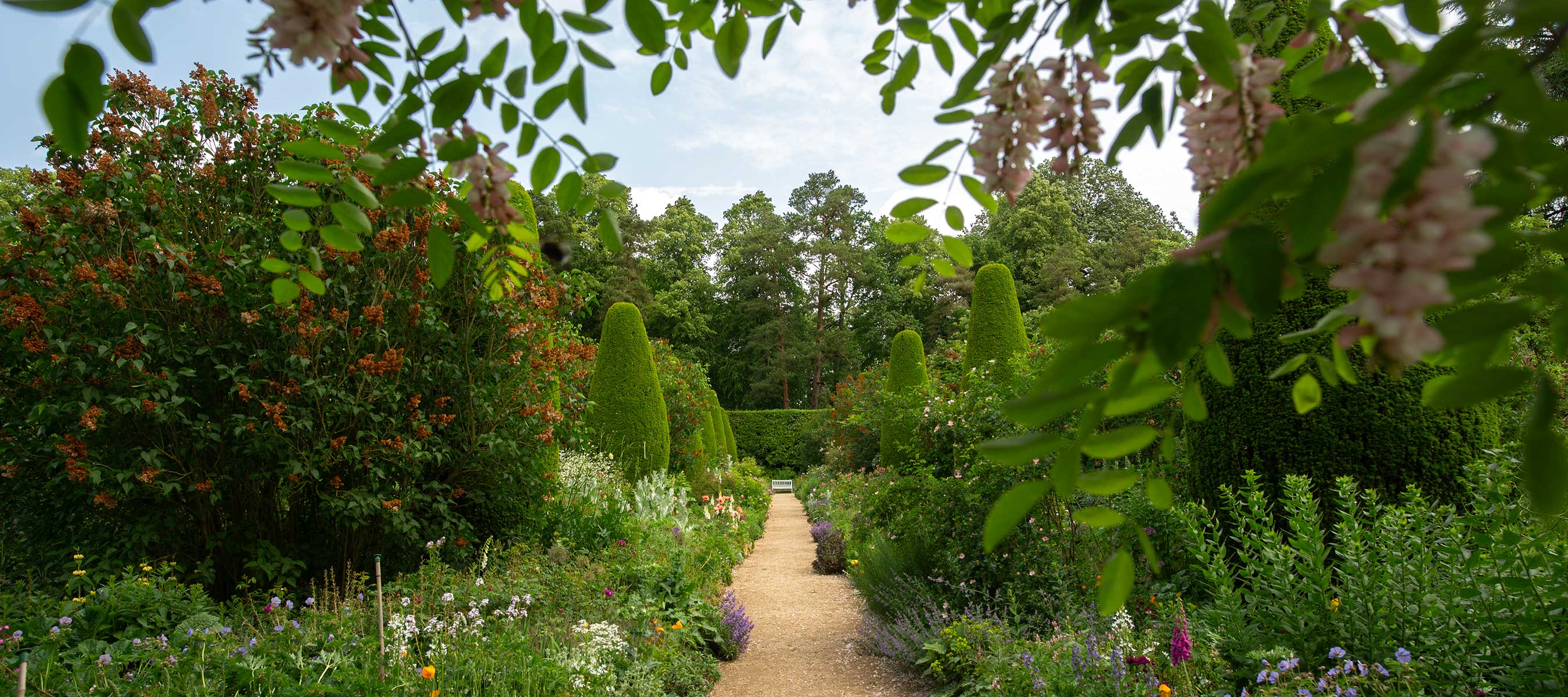
Hidcote Garden is one of England’s most celebrated and enchanting gardens, a masterpiece of twentieth-century design that has captivated visitors for generations. Nestled in the rolling countryside of the Cotswolds, near the village of Mickleton in Gloucestershire, Hidcote is more than a horticultural display; it is an immersive work of art, where each turn in the path reveals a new composition of colour, texture, and mood. Its creator, the American-born horticulturist and plantsman Major Lawrence Johnston, began developing the garden in the early years of the twentieth century, transforming a patchwork of fields around a modest manor house into a series of intimate outdoor rooms, each with its own distinct character and charm.
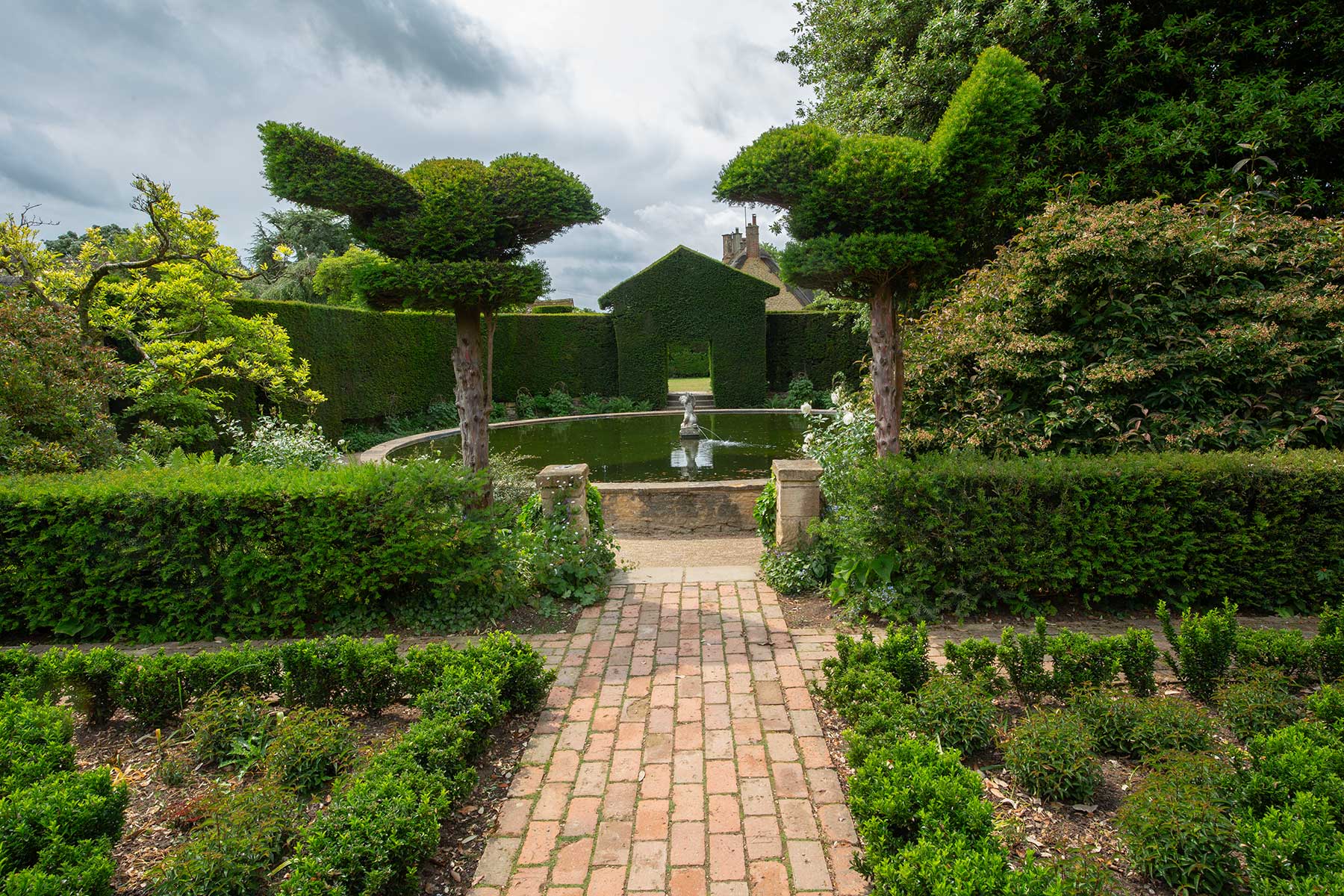
From the moment one steps through its gates, Hidcote offers a sense of discovery. It is not a garden that gives itself away all at once; instead, it unfolds gradually, as if encouraging visitors to slow their pace and pay attention to the subtle changes in light, form, and scent. The “rooms” that Johnston designed are not rooms in the literal sense but enclosed spaces created by clipped hedges, stone walls, and carefully chosen plantings. Each space has its own atmosphere, whether it be the tranquillity of a shaded corner, the vibrancy of a flower-filled border, or the formal symmetry of a topiary avenue. This compartmentalised structure, inspired by both the Arts and Crafts movement and the gardens of Italy and France, allows for dramatic contrasts as one moves from one area to another.
Johnston’s vision was both disciplined and romantic. He was known for his meticulous eye for design, ensuring that lines of sight, proportions, and plant combinations were balanced and harmonious. Yet he also embraced the untamed beauty of nature, allowing certain areas to soften at the edges, with roses tumbling over walls and self-seeding flowers mingling with the planned borders. This combination of order and spontaneity gives Hidcote its unique charm. It feels at once carefully orchestrated and delightfully unforced, as if it has grown into its beauty naturally, even though every detail was the product of thoughtful intention.
One of the most famous features of Hidcote is its long borders, where Johnston experimented with bold colour themes and an astonishing variety of plants. He was a passionate plant collector, travelling the world in search of rare and unusual species, many of which he introduced into British horticulture for the first time. These botanical treasures found a home at Hidcote, where they were woven into compositions that combined seasonal interest with year-round structure. His use of hardy exotics, tender perennials, and structural evergreens ensured that the garden retained its appeal even outside the peak flowering months.
The garden is divided into a number of named spaces, each with a distinct personality. The Red Borders are dramatic and fiery, filled with plants in shades of crimson, scarlet, and burgundy. The White Garden, by contrast, exudes elegance and serenity, with silver-leaved foliage and blossoms in pure whites and creams, often glowing in the late evening light. The Pillar Garden, with its stately vertical forms, creates a sense of grandeur, while the more intimate Old Garden invites quiet reflection among its mature trees and softer plantings. There is also the Bathing Pool Garden, where still water reflects the surrounding greenery, adding a sense of calm and coolness on summer days.
Hidcote’s structure is underpinned by strong architectural elements. Johnston understood that plants alone could not sustain a garden’s impact through the seasons; they needed the support of enduring shapes and structures. To that end, he employed yew hedges, stone walls, pergolas, and clipped topiary to define spaces, create rhythm, and lead the eye. These features give the garden its backbone, allowing seasonal planting to play against a constant and reassuring framework.
But Hidcote is not all about formality. Beyond its structured rooms, there are wilder areas where the garden blends into the surrounding countryside. Johnston valued the natural beauty of the Cotswolds landscape and sought to connect his cultivated spaces with the wider environment. Meadows, orchards, and woodland edges create a seamless transition from garden to nature, offering habitats for wildlife and seasonal spectacles such as spring blossom or autumn colour.


