

Madrid-based Miguel Urquijo is one of the best garden designers of his generation, and since 2001 he has been designing gardens and landscapes with his wife Renate through their company Urquijo-Kastner.
Miguel Urquijo graduated in biology from the University of Buckingham, England, where he studied in the 1980s. Miguel began working as a garden designer in 1993 and today runs the company Urquijo-Kastner with his wife Renate Kastner, who studied landscape architecture at the Hochschule Wiehensephan-Triesdorf in Freising (southeast Germany).
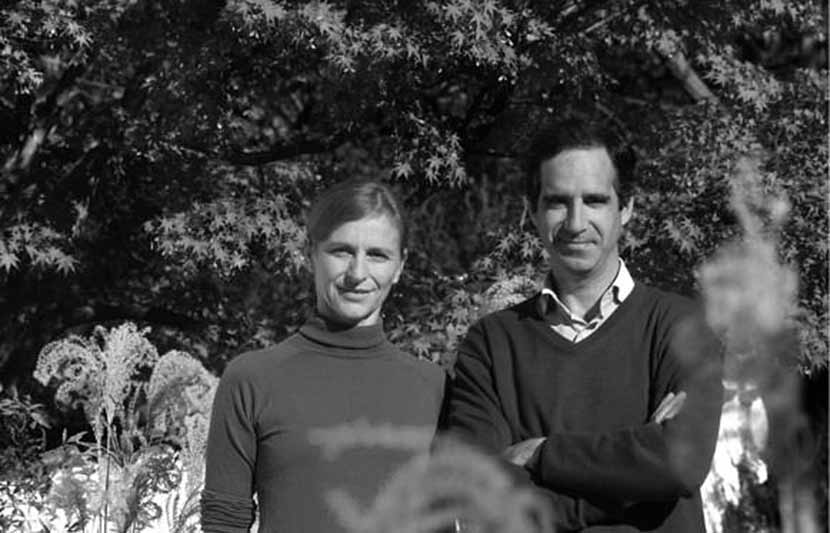
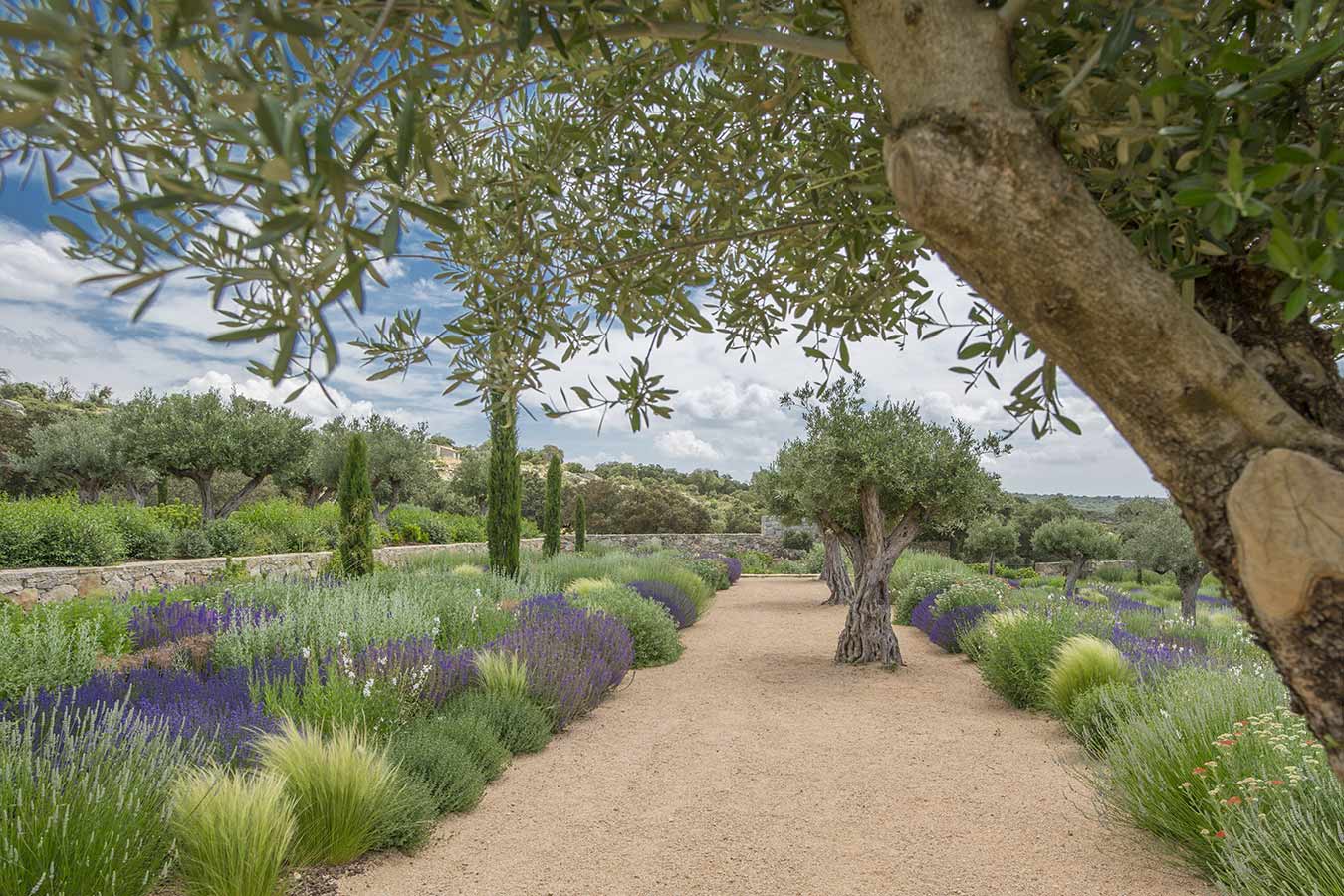
Miguel Urquijo and Renate Kastner often seek to make their gardens blend in with the surrounding landscape. They avoid the use of high walls and barriers. The Spanish-German couple always take the individual garden, nature and the surrounding landscape as their starting point and want to connect the garden with the surroundings by using plants that either grow wild in the area or that reflect the surrounding landscape.
Spanish garden design has historically been closely aligned with the Italian garden style with the use of many evergreen plants and clipped yews as well as the frequent inclusion of sculptures in the gardens, but Urquijo-Kastner leans on the English garden tradition. Miguel and Renate are thus greatly inspired by English garden designers such as Beth Chatto (1923-2018), Tom Stuart-Smith (1960 -) and the English gardener and author Russel Page (1906-1985). Another source of influence is Derek Jarman's Prospekt Cottage. Urquijo-Kastner's gardens are particularly influenced by the modern English garden and the new perennials movement.
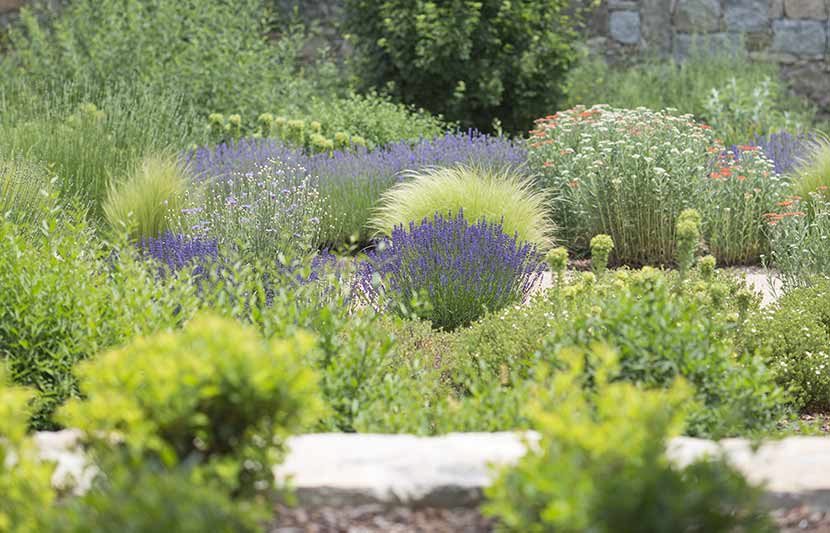
In the Urquijo-Kastner gardens, a handful of plants are particularly important: the strawberry tree (arbutus unedo), lavender (lavandula angustifolia), lamb's ear (stachys byzantina), mastic tree (pistacia lentiscus), horsetail (stipa tenuissima) and winter snowdrop (viburnum tinus). The couple also often use everlasting flower (helichrysum italicum), silverleaf (eleaganus x ebbingei) and spurge (euphorbia rigida).
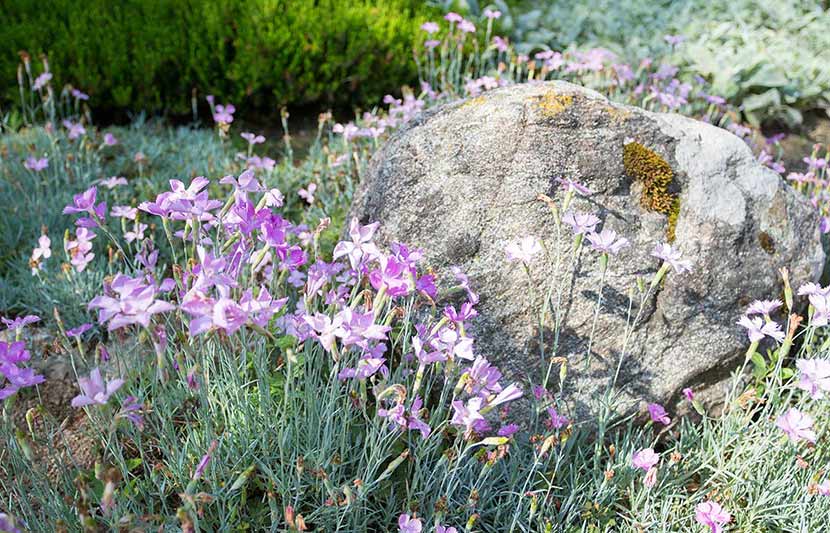
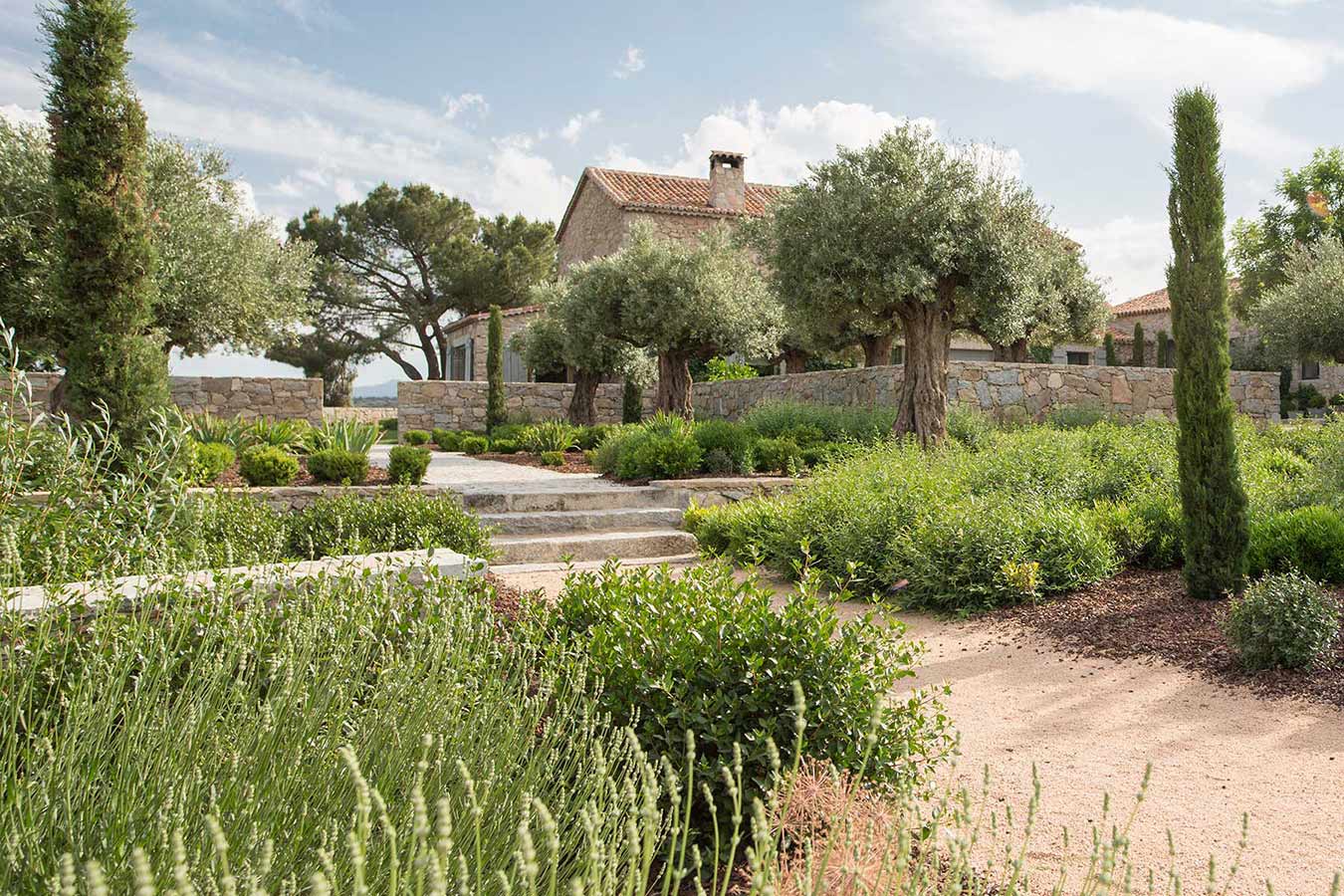
Since the company was founded in 2001, Miguel Urquijo and Renate Kastner have designed a wide range of gardens and parks for companies, private individuals and public institutions. One of the latest additions to the family is their work in the Botanical Garden in Madrid.
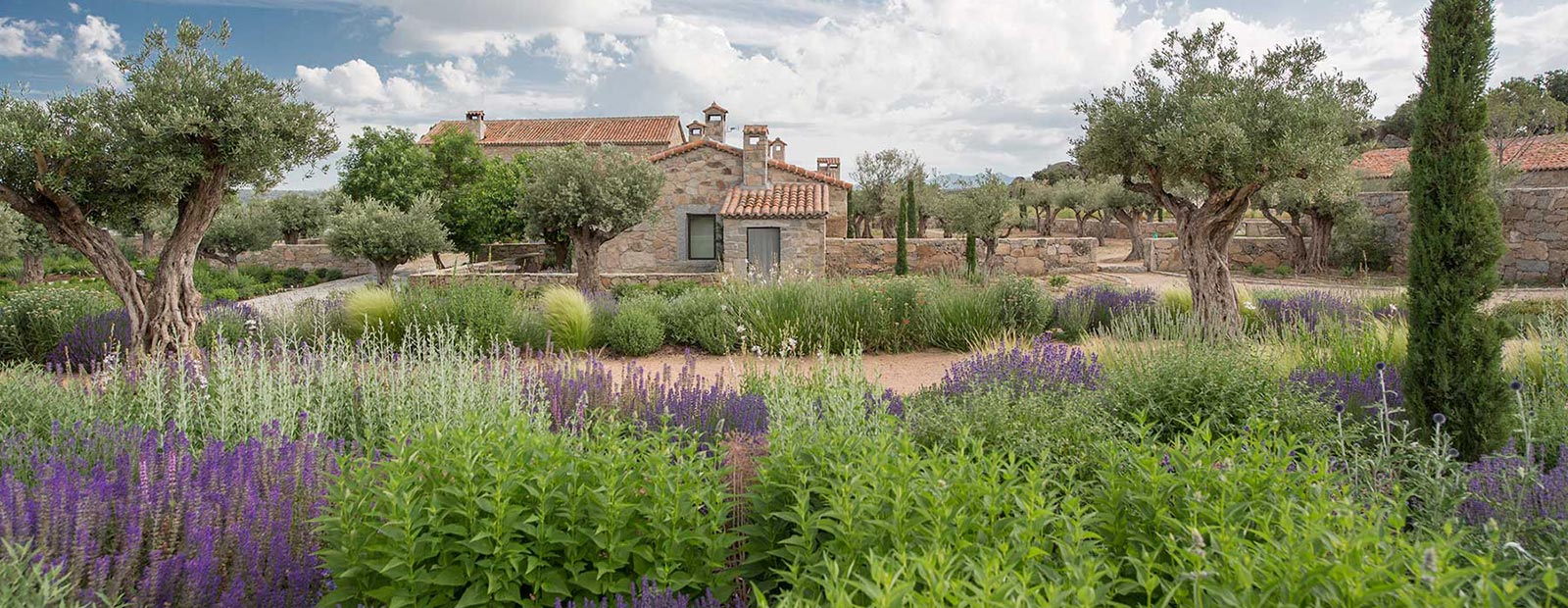
However, there is one foreign element in the garden: the centuries-old olive trees. The owner of the garden insisted on planting the olive trees, and together they found a nursery that specialized in olive trees that can withstand the harsh climate of Avila.
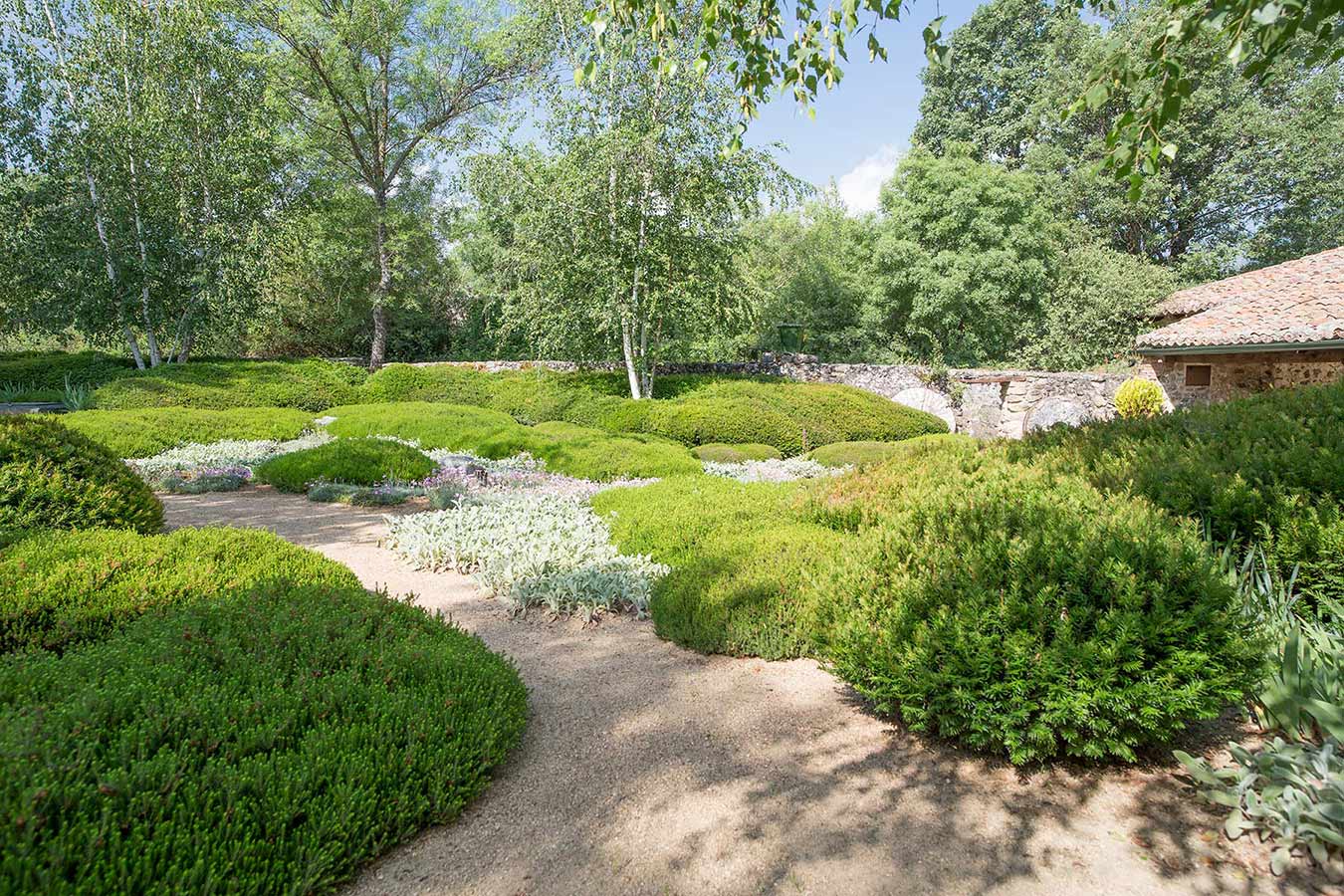
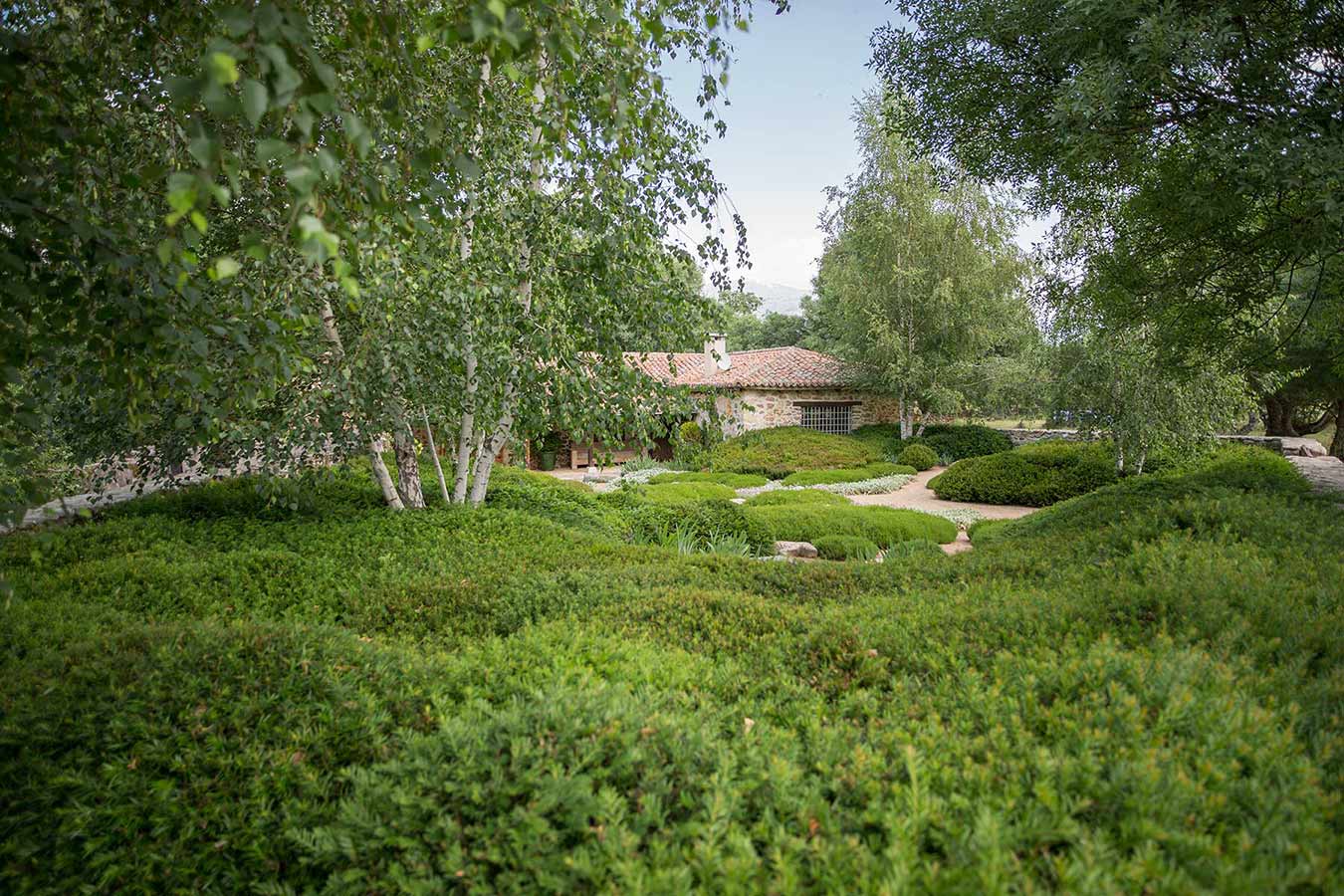
This small garden is located in a beautiful setting at the foot of the Lozoya Mountains, next to a building that used to be a mill. Urquijo-Kastner has managed to create a symbiosis between the garden and the surrounding nature by planting low plants and smaller trees that reflect the nature of the valley. Miguel Urquio wants the garden to blend in with - rather than compete with - the surroundings. The nature surrounding the garden is dominated by ash (fraxinus), and on the horizon are the mountains as a fixed point. The garden is minimalist, not far from the Japanese gardens, with the use of few plants and paths winding through the garden.
The climate in the mountains north of Madrid is harsh: there is not much rainfall, there is frost in winter and summer is hot and dry. Only a few plants can survive here, so Urquijo has a number of perennials that look great all year round: he uses, among others, lamb's ear (stachys byzantina), iris and carnations (dianthus barbatus), common yew (taxus baccata) and in the middle of the garden stands a solitary birch (betula), which creates a nice contrast to the different shades of green.
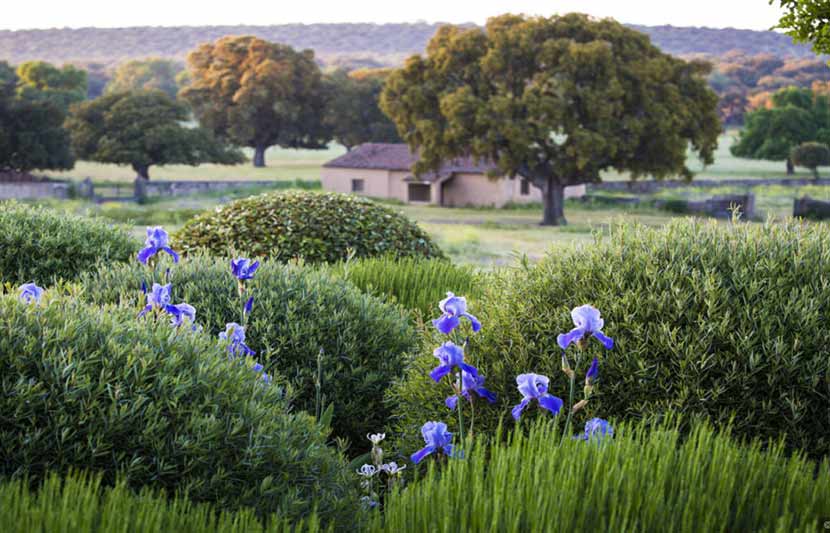
This garden of just 1000 m2 in Extremadura in western Spain not far from the city of Salamanca, uses plants that can cope with the harsh climatic conditions of the Spanish mainland climate: Urquijo-Kastner uses plants that can withstand the long periods of drought and high temperatures (up to 40 degrees). The elements of the garden interact with the surrounding landscape, the so-called dehesa: the large areas of more than 2 million hectares of oak forests in southwestern Spain. Olive trees have been used that dialogue with the oak trees in the area, agave and spurge (euphorbia rigida). The agave (agave americana) is originally from Mexico and can withstand both high temperatures in the summer and frost in the winter. These plants are mixed with one of New Perennials' signature grasses: horsetail (stipa tenuissima), which has been used in several places in the garden and provides plenty of life and movement.
Watch the video below made by Spaniard Isabel Alguacil with an interview with Miguel Urquijo. You need to be fluent in Spanish to understand what is being said - but if you don't know Spanish, you can just sit back and look at the beautiful pictures.
Gardens illustrated: