

The South of England has a unique collection of gardens that have left a clear mark on the history of gardens. The special climatic and economic conditions and the location close to London created the ideal conditions for the creation of the gardens.
A large number of England's very best gardens are located in the South East of England: gardens such as Great Dixter, Sissinghurst and Gravetye Manor have formed a school for several generations of gardeners. But the area also offers a number of smaller gems that are not so visited, but where it is really worth making the route. This applies to gardens such as Long Barn, Pashley Manor and West Dean.
The history of Long Barn is closely linked to Sissinghurst and its creators Vita Sackville-West and Harold Nicolson. Vita Sackville-West was born in 1892 at the country house Knole, which had a whopping 365 rooms! But as a woman Sackville-West could not inherit her birth home, and this meant that after her father's death in 1928 the castle went to an uncle. In 1913 Vita married Harold Nicolson and the couple bought Sissinghurst in 1915 when they returned from Constantinople, where Harold Nicolson had been posted as a diplomat, and over the next few decades they developed a unique garden.
Vita Sackville-West and Harold Nicolson's friend Edwin Lutyens helped improve the garden and was behind the six L-shaped beds from 1925, which can be seen today. In 1932 Vita and Harold sold the house and bought Sissinghurst Castle instead. Between 1915 and 1932, a number of artists, writers and actors visited the house, including Virginia Woolf, E. M. Forster and Charlie Chaplin.
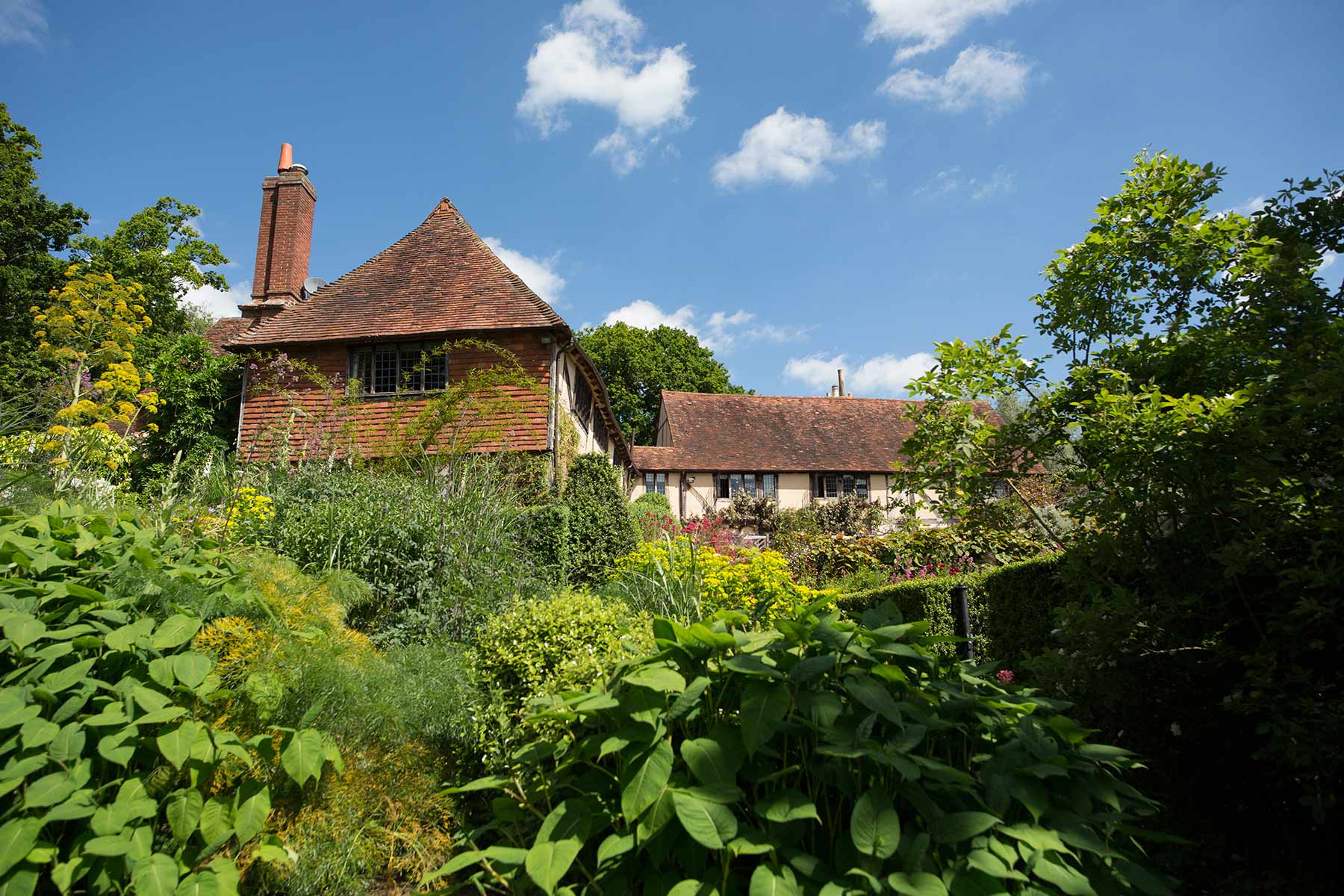
Long Barn is situated in the village of Sevenoaks Weald, and covers an area of around one hectare. The house on the grounds is thought to date back to 1360. At Long Barn you will find a number of elements that would later make Sissinghurst famous: clipped yews create structure and divide the garden into clearly separated garden spaces. The clear structure of the garden is made clear by paths laid out along an east-west axis and sculptures stand in the way of blind paths and create order, as is also the case at Sissinghurst.
The beautiful perennial beds are dominated by penstemon, lavender (lavandula) and damascena. On the steps, Spanish hill star (erigeron karvinskianus) creates light and life among the stone surfaces.
In 1930, Vita Sackville-West and Harold Nicholson bought Sissinghurst, just half an hour’s drive from Long Barn, and the couple moved permanently in 1932. Today, Lars and Rebecca Lemonius are the owners of Long Barn. Long Barn can easily be experienced independently of Sissinghurst, but it is perfectly natural to visit both gardens. However, Long Barn is private and can only be visited if you come as a group.
Sissinghurst is one of England's most famous gardens, visited by around 200,000 people each year. The garden was created by the poet and author Vita Sackville-West and her husband, Harold Nicolson. When they bought Sissinghurst in 1930, there was little more than oak and walnut trees on the grounds, but over the following decades they created a unique garden. Vita cultivated around 200 different roses with her gardeners. She lived here until her death in 1962, after which the National Trust took over the garden.
The castle, located in the Kent area, was built in the 1530s by Sir John Baker. In 1554, his daughter Cecily married Thomas Sackville, Earl of Dorset, who was actually a distant relative of Vita Sackville-West. In the 18th century, the Baker family went bankrupt and the castle was taken over by the government and used as a prison during the Seven Years' War (1756-63).
However, the prisoners caused extensive damage to the estate, and by the 19th century most of the houses had been destroyed. When it was put up for sale in 1928, it was difficult to find buyers until Vita Sackville-West and Harold Nicolson purchased the castle and grounds two years later.
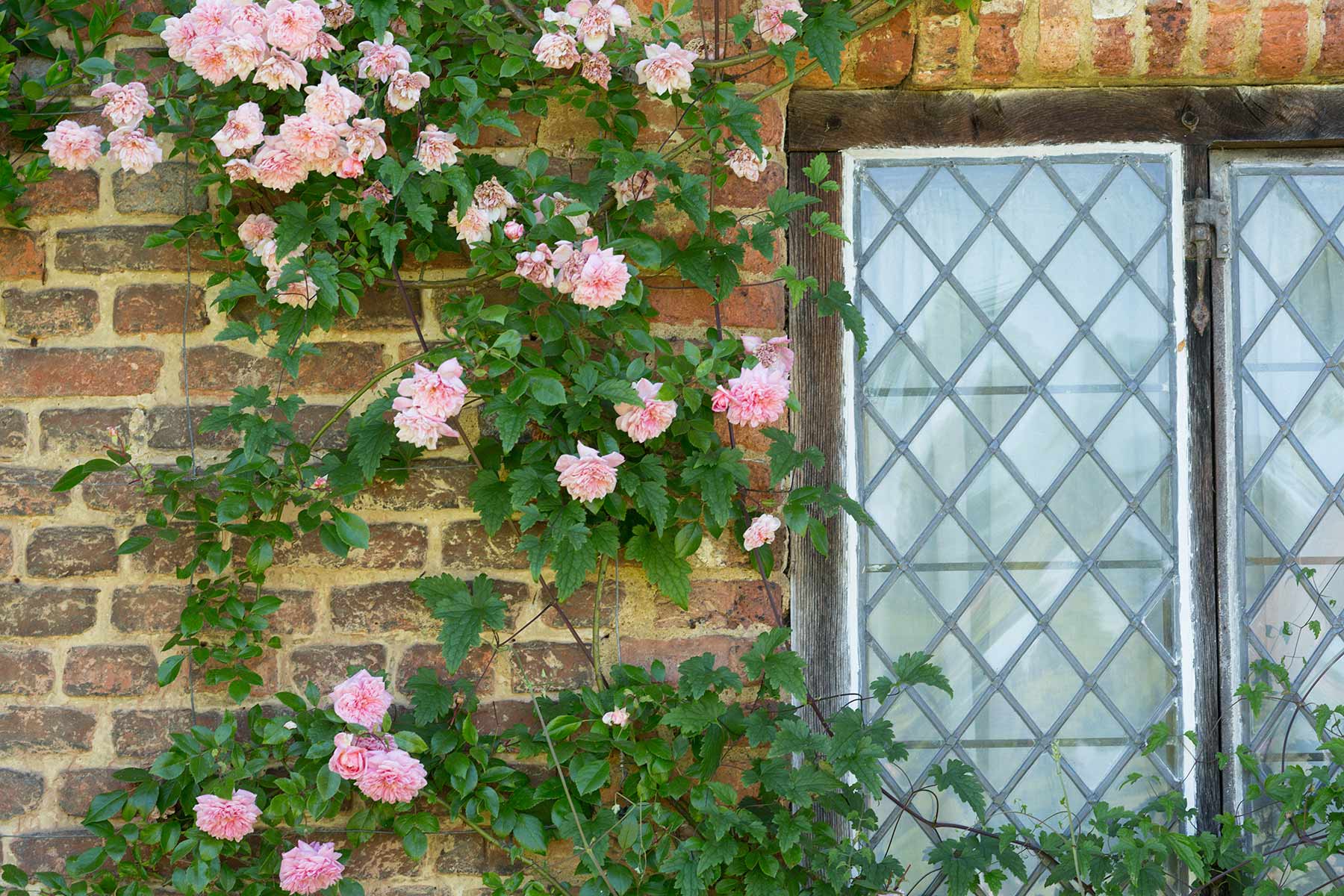
Harold Nicolson divided the garden into a series of garden rooms. Among the most famous garden rooms is The White Garden, where white flowers and perennials dominate. The large climbing rose Rosa mulliganii, which dominates the centre of the garden room, particularly brightens the garden.
Sissinghurst is constantly evolving: a few years ago it was decided to create a new garden section right by the main entrance: the Delos Garden. Vita Sackville-West and Harold Nicolson had visited the Greek island of Delos in 1935 and had been so inspired by the visit that they created a Greek garden with stones and Mediterranean plants. However, the garden never became what they had dreamed of - the climate in Kent made it difficult to get Mediterranean plants to thrive, and instead the garden developed in a different direction, and ferns, geraniums and hellebore (helleborus) came to dominate.
Therefore, the renowned landscape designer Dan Pearson was given the task of completing the project. Working with Olivier Filippi, an expert in Mediterranean plants, Dan Pearson has created a Greek garden that uses mainly Greek plants mixed with plants from other parts of the Mediterranean. They are planted so that they are sheltered and get as much sun as possible, and thus the dream of Delos was created - almost a century after the idea was born.
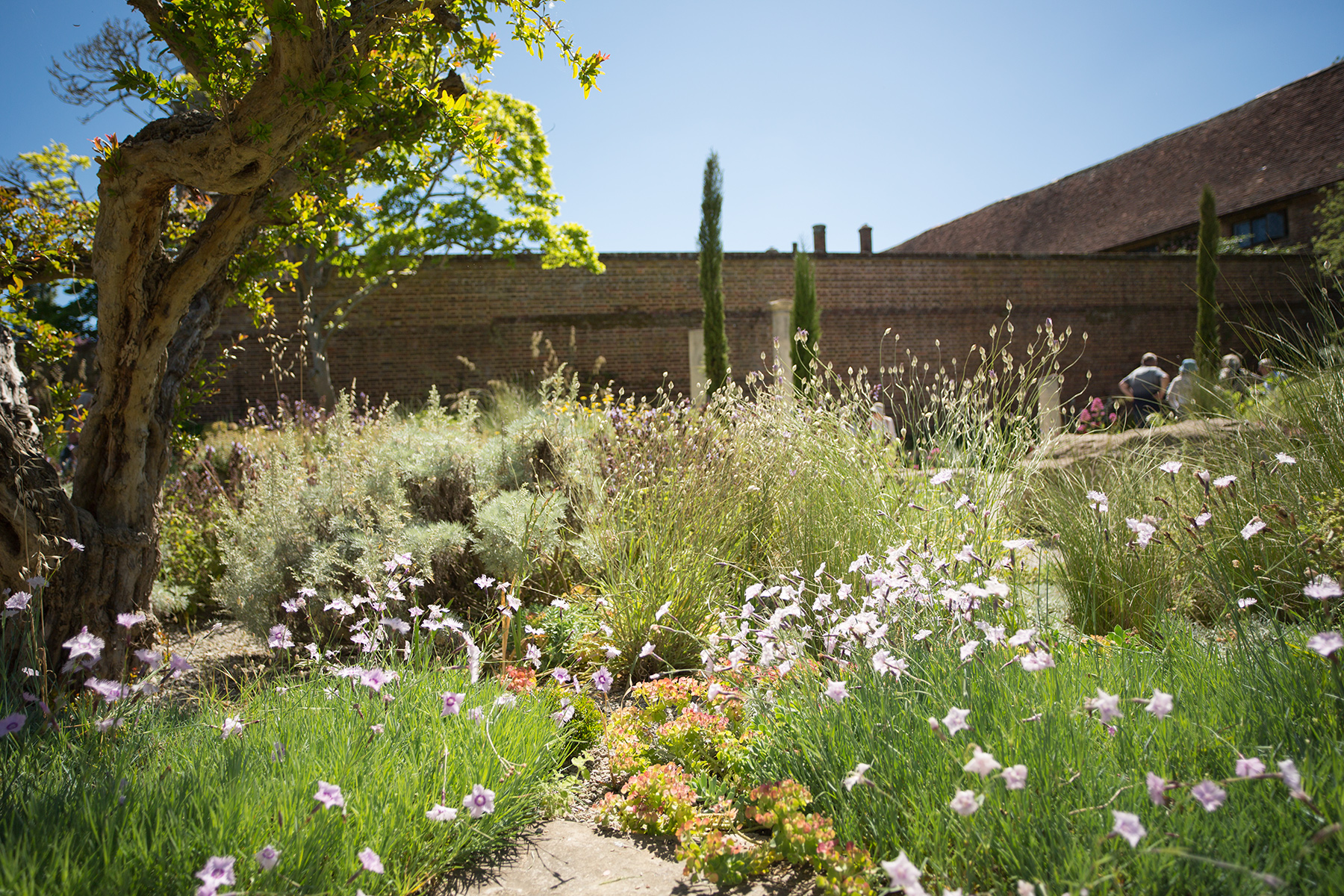
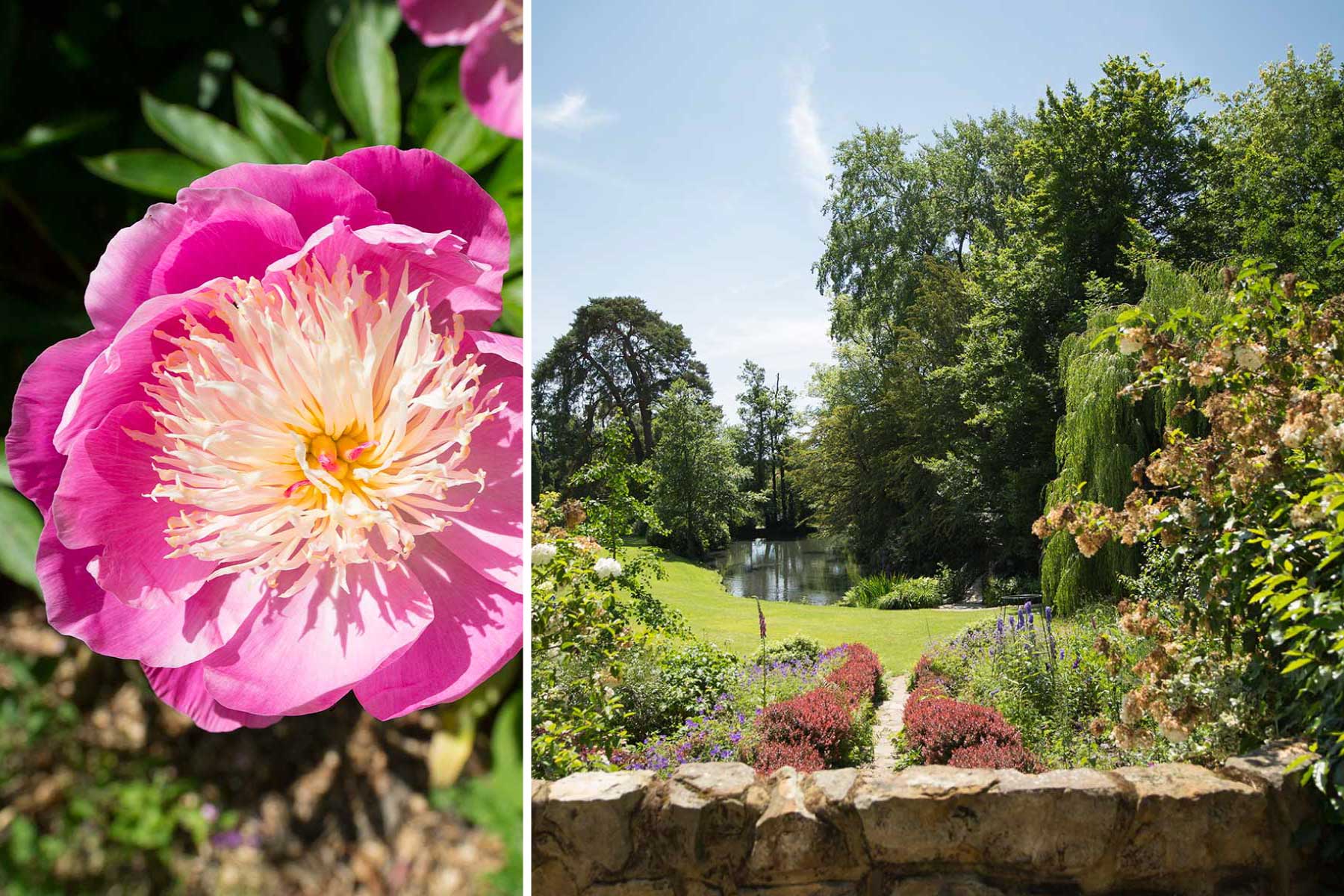
Pashley Manor Gardens covers just under 12 acres and is located a few minutes’ drive from the town of Wadhurst on the Kent/Sussex border.
The garden consists of a large lake, Victorian glasshouses, a rose garden, woodland, an azalea section and a range of perennial beds. The garden is renowned for its rose, dahlia and tulip festivals: 48,000 tulips are planted each year in partnership with a renowned Dutch company, a rose week is held in June and the many dahlias bloom in autumn. The garden also features a range of sculptures by local artists.
The garden dates back to the 16th century - there are several 500-year-old oak trees in the grounds - and the house is closely linked to the famous Boleyn family: Sir Geoffrey Boleyn, who owned the garden in the 15th century, was the great-grandfather of Anne Boleyn, who married Henry VIII (after his marriage to Catherine of Aragon). Anne Boleyn was beheaded by the king because she was unable to give him a son, but she bore the king a daughter who later became queen with the title Elizabeth I. There is uncertainty as to whether Anne Boleyn actually lived at Pashley Manor.
The current owners are the Sellick family, who bought the place in 1981. The family did a great job of renovating the garden, and in 1999 the garden was named 'Garden of the Year' by Christie's.
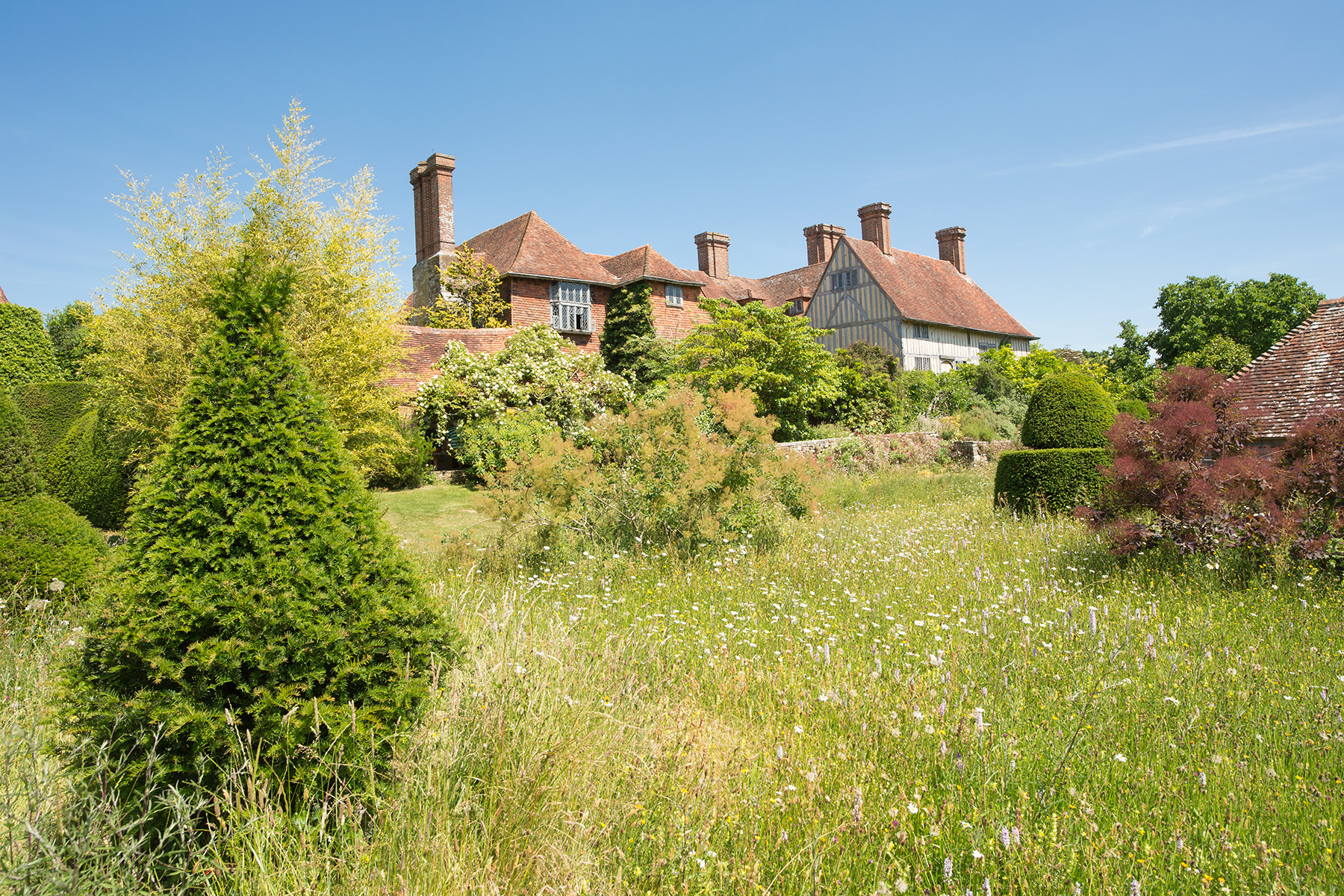
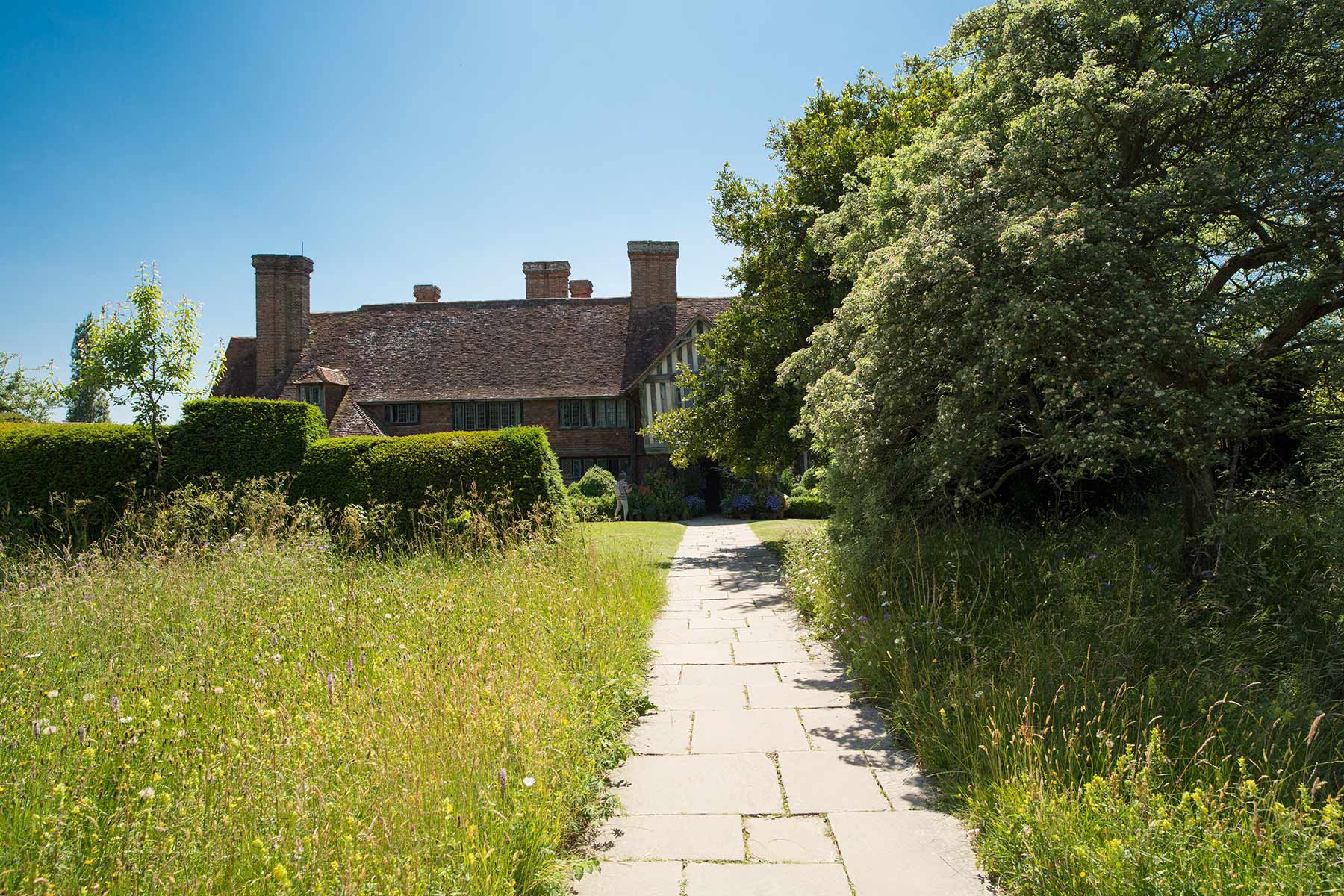
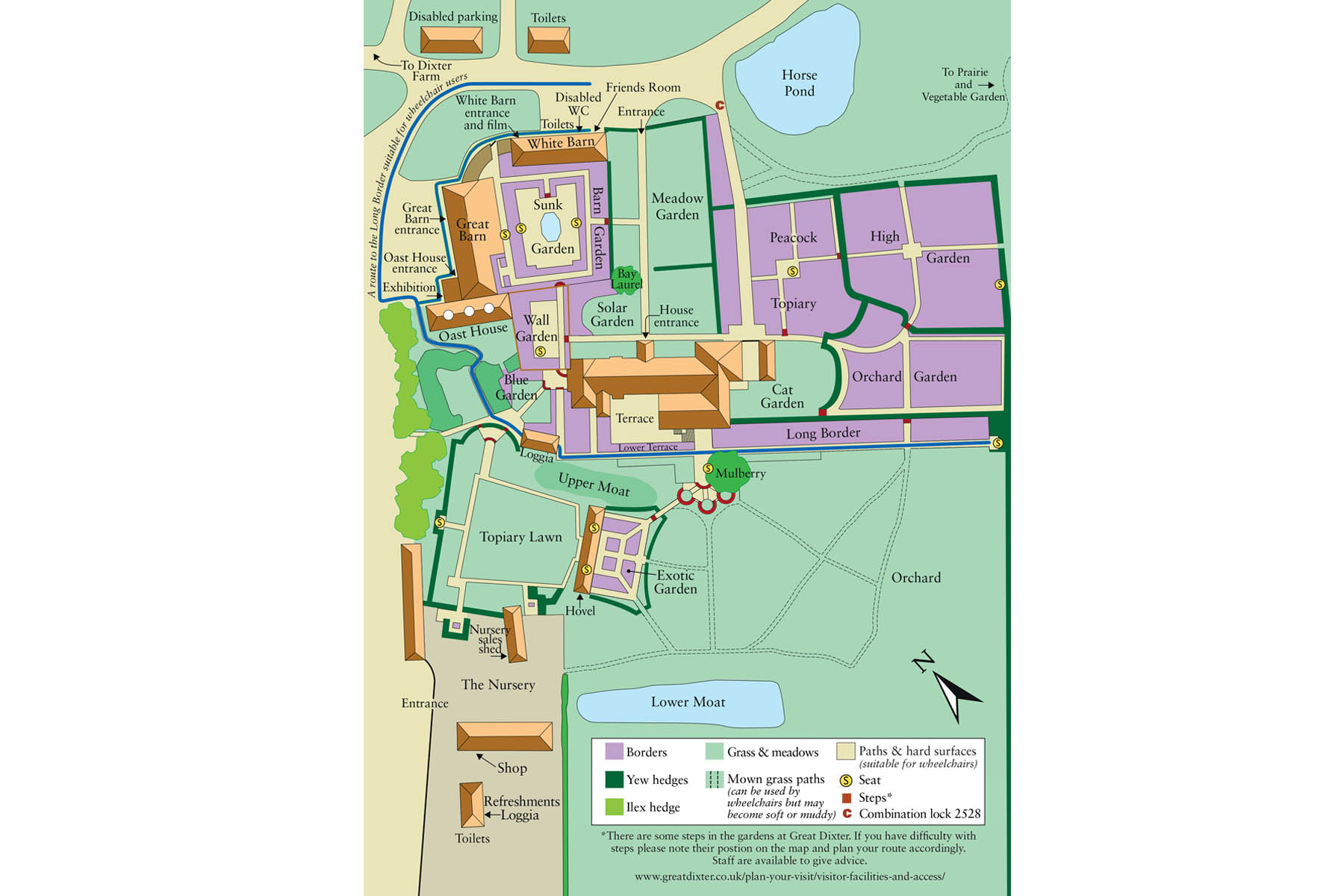
Great Dixter is world-renowned for its groundbreaking gardens and house, designed by the famous architect Edwin Lutyens. Lutyens built the buildings between 1910 and 1912, and the house included a historic 16th-century building that was moved to the grounds. The garden was created in collaboration between Lutyens and Nathaniel Lloyd, and Nathaniel Lloyd’s son, Christopher Lloyd, later developed the garden, making it one of the world’s most iconic gardens.
The garden incorporates many of the features popular with the Arts & Crafts movement, including clipped yews, perennial beds, orchards and wildflower meadows. Today, the head gardener is Fergus Garret, who was trained by Christopher Lloyd.
Christopher 'Christo' Lloyd made the gardens at Great Dixter what they are today and revolutionised the discipline of garden design through his books and many articles in Country Life magazine.
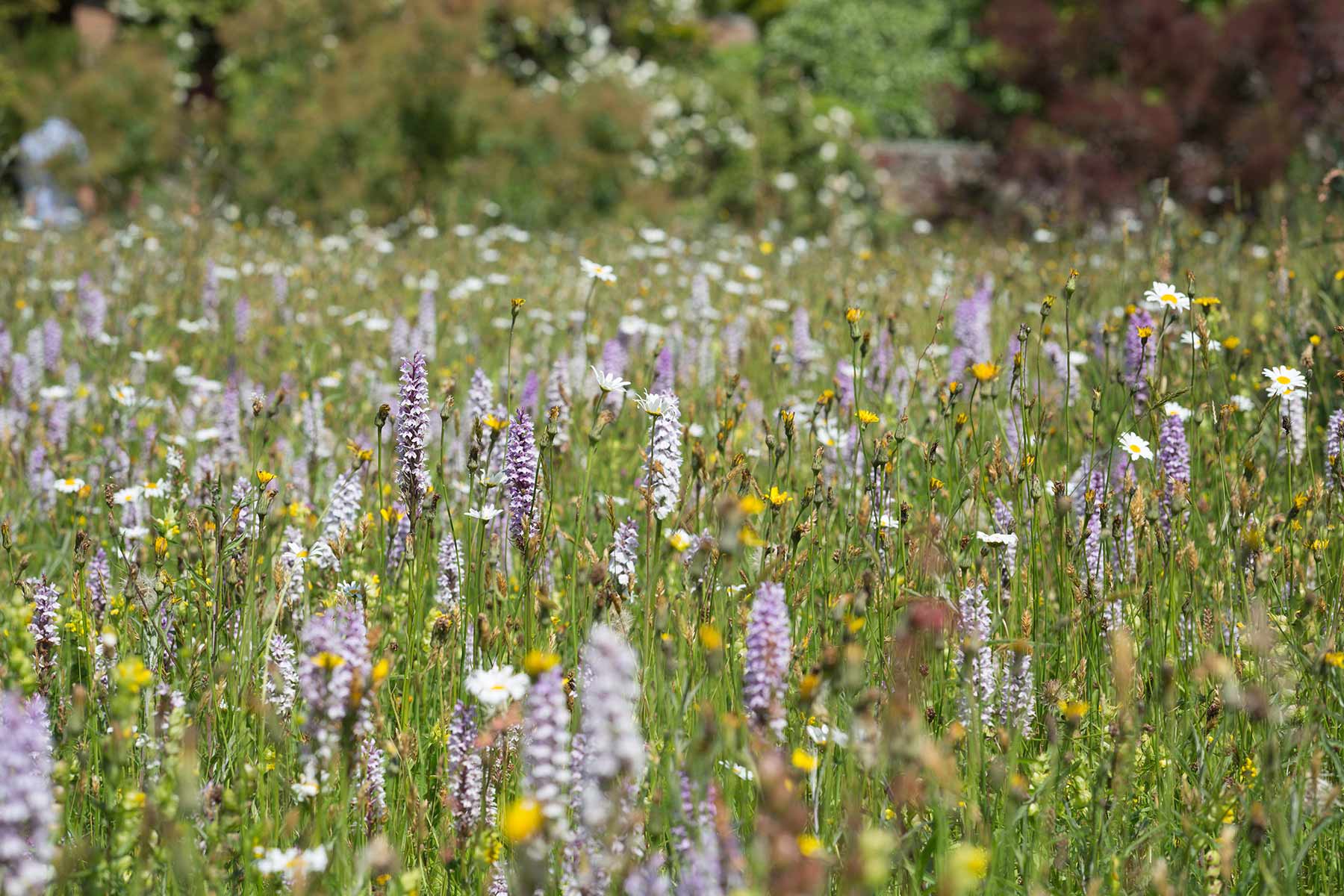
One of the central elements of Christopher Lloyd's garden is the flower meadow, which Lloyd discussed in the book Meadows at Great Dixter and Beyond (2004).
James and Margaret Beale found this idyllic location in Sussex to build a summer house. The house was designed by the Arts and Crafts architect Philip Webb.
The house is a fine example of English Arts and Crafts architecture, with interior design by Morris & Co, including furniture, art objects, cushions, etc. The house stands as it was built and looks as it did when the owners came for weekend visits in the 1920s.
The grounds measure 5 acres and have a critically acclaimed plant collection. In spring, rhododendrons, camellias (camellia japonica) and azaleas dominate. The summer garden is characterised by roses, mixed borders and a kitchen garden with lots of different vegetables. One of the family's children settled in Japan, and the garden contains many plants, trees and shrubs that have been shipped to the garden from Japan.
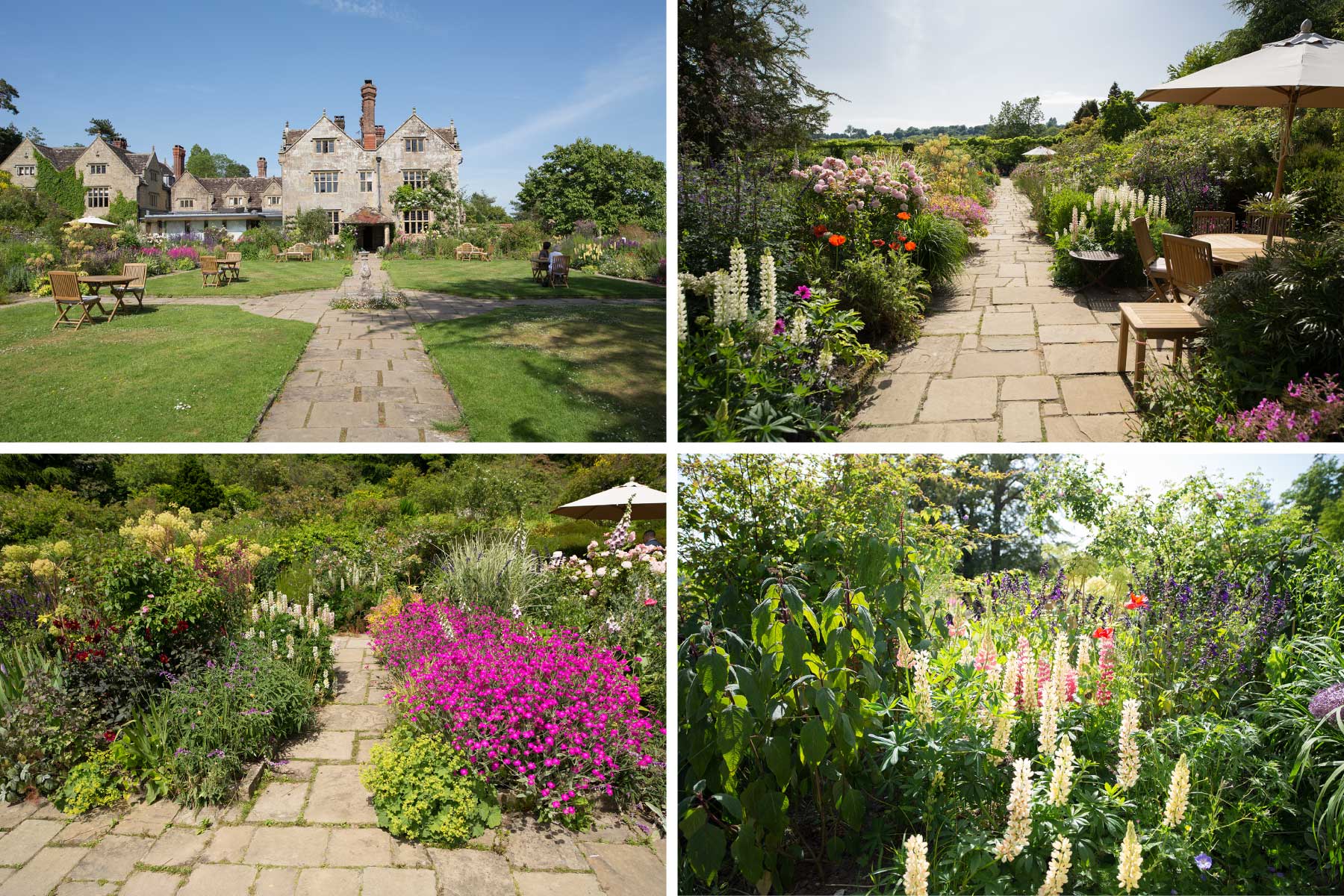
Gravetye Manor dates back to 1598, when Richard Infield built the house for his wife. In 1884, the house was acquired by the famous garden writer and garden designer William Robinson, who lived here for 51 years until his death in 1935. Robinson developed a garden over the next few decades, which served as his own private experimentarium. Today, the garden's main gardener is Tom Coward, who previously worked at Great Dixter, among others.
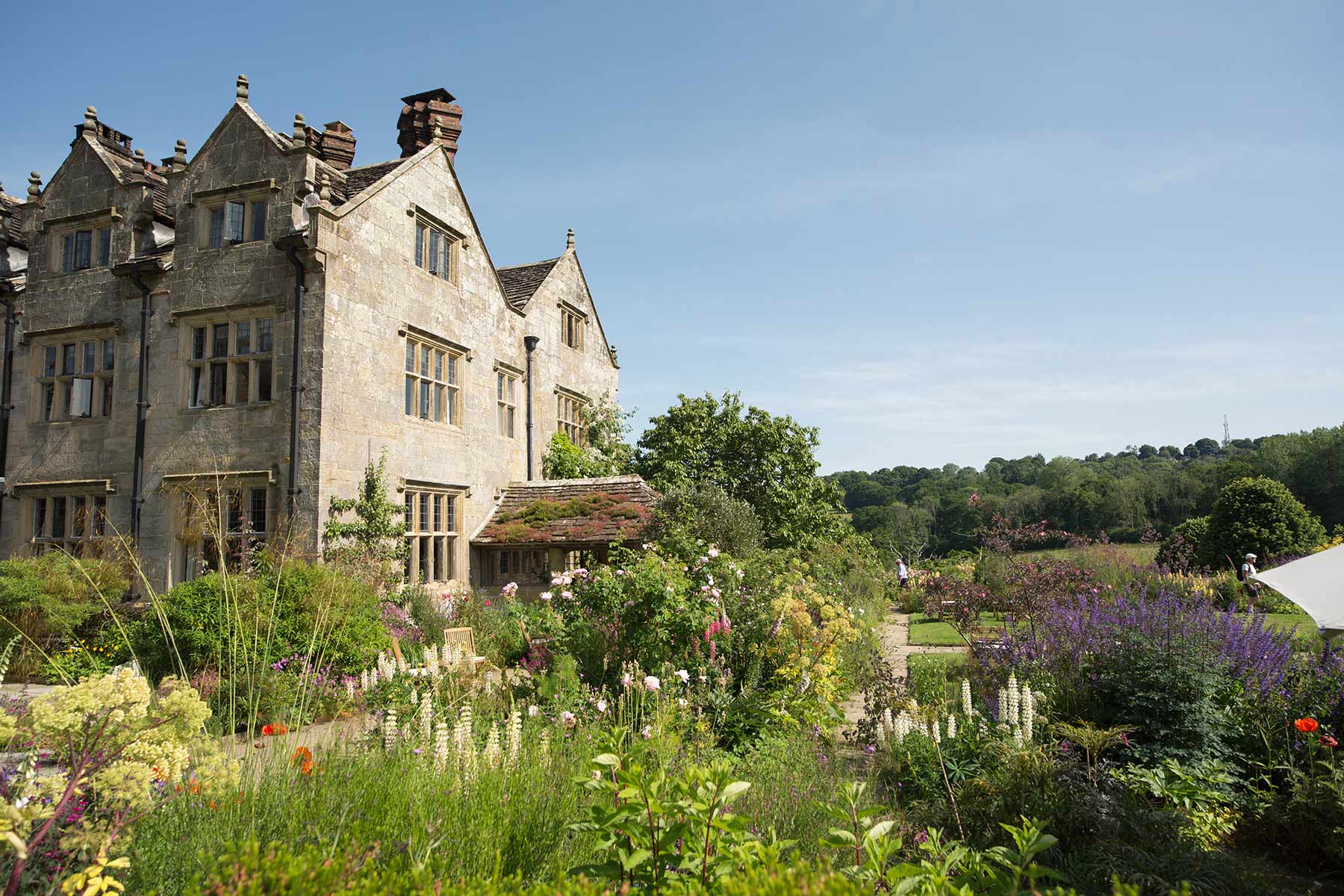
William Robinson is one of the most important garden designers of recent times and has been called the Irishman who taught the English how to design gardens. William Robinson revolutionised English gardening through his numerous books and hundreds of articles. Robinson first wrote for the Gardeners' Chronicle and later created the magazine The Garden.
Robinson's early travels to France had a great influence on his way of thinking about gardens. During a trip to Paris in 1867, he was impressed by the city's parks and squares, which he believed surpassed those of London.
Robinson's major works include The Wild Garden (1870) and The English Cottage Garden (1883). Robinson was a friend of Gertrude Jekyll, and his ideas had a great influence on garden designers such as Lawrence Johnston (who designed Hidcote), Vita Sackville-West (who designed Sissinghurst) and Christopher Lloyd (who designed Great Dixter).
William Robinson's use of perennials and the idea of the 'wild garden' with the use of flower meadows and free, naturalistic planting had enormous significance for posterity and is relevant in today's way of thinking about gardens. The flower meadow mixed flowers such as squills, cyclamen and daffodils with autumn anemone, lilies and acanthus, which could stand between hazel bushes, chestnut trees and shrubs such as stewartia and nyssa.
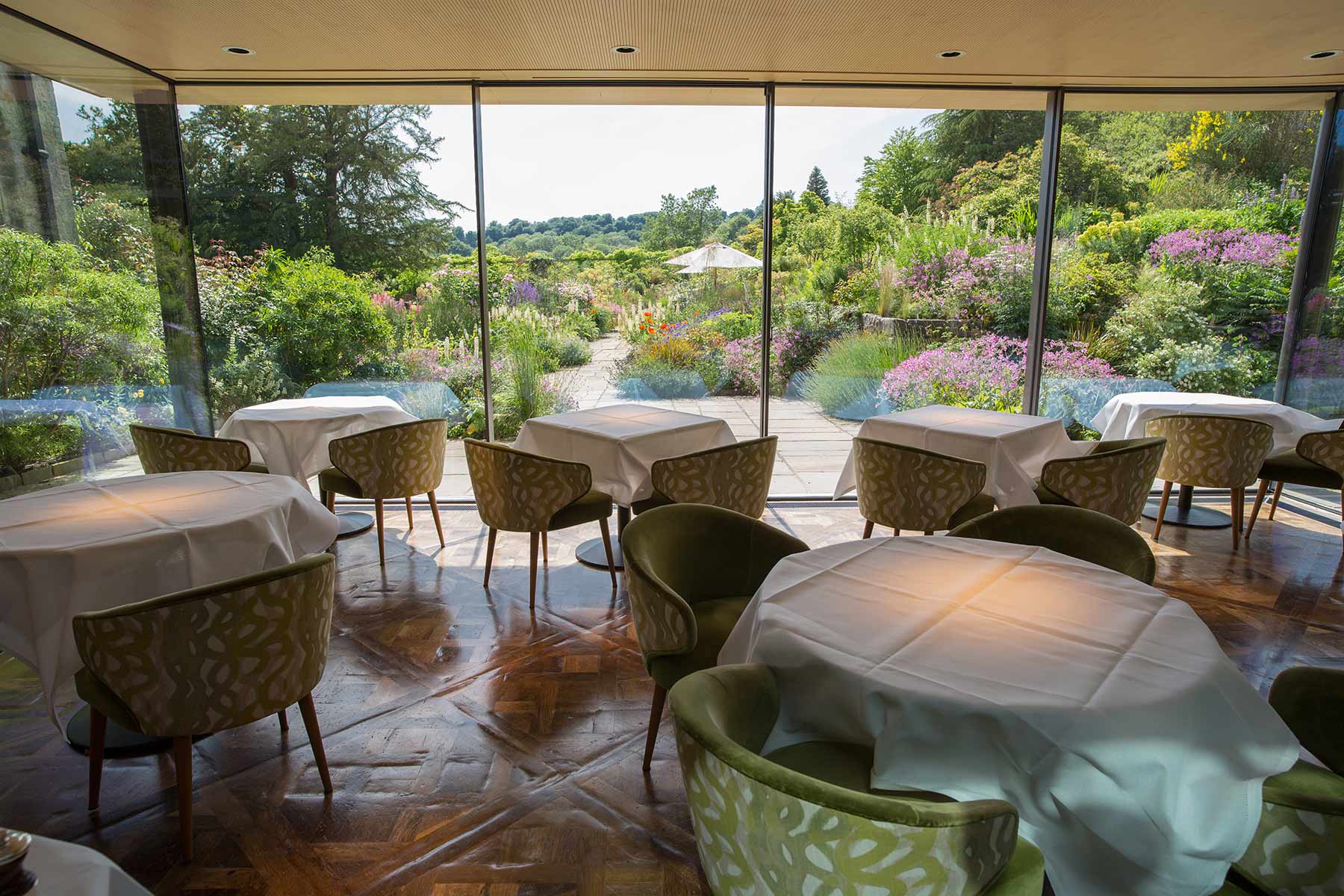
The head gardener, Tom Coward, came to Gravetye in 2010 after the house became a hotel owned by the wealthy Jeremy Hosking. Tom Coward had previously worked with Fergus Garret at Great Dixter, where he particularly worked on the perennial beds and flower meadow. Tom Coward regularly publishes articles in the English magazine Country Life.
When Tom Coward came to Gravetye Manor he set about restoring the circular kitchen garden, the Victorian greenhouses and planting new trees and a variety of perennials, which would spread out and give the garden a 'Robinson-esque' look. He used paintings and photographs from William Robinson's time to gain an insight into what the original garden had looked like. In particular, he used paintings by Beatrice and Alfred Parsons as well as works by the landscape and plant painter Henry Moon, which gave an insight into the structure of the original garden, Robinson's plant selection and placement, etc.
For Tom Coward, forget-me-nots (Myosotis, Greek for 'mouse's ear'), often considered weeds, are interesting in the garden, but they need to be kept down so they don't spread too much. Another of Tom Coward's favorite plants is angelica (Angelica sylvestris).
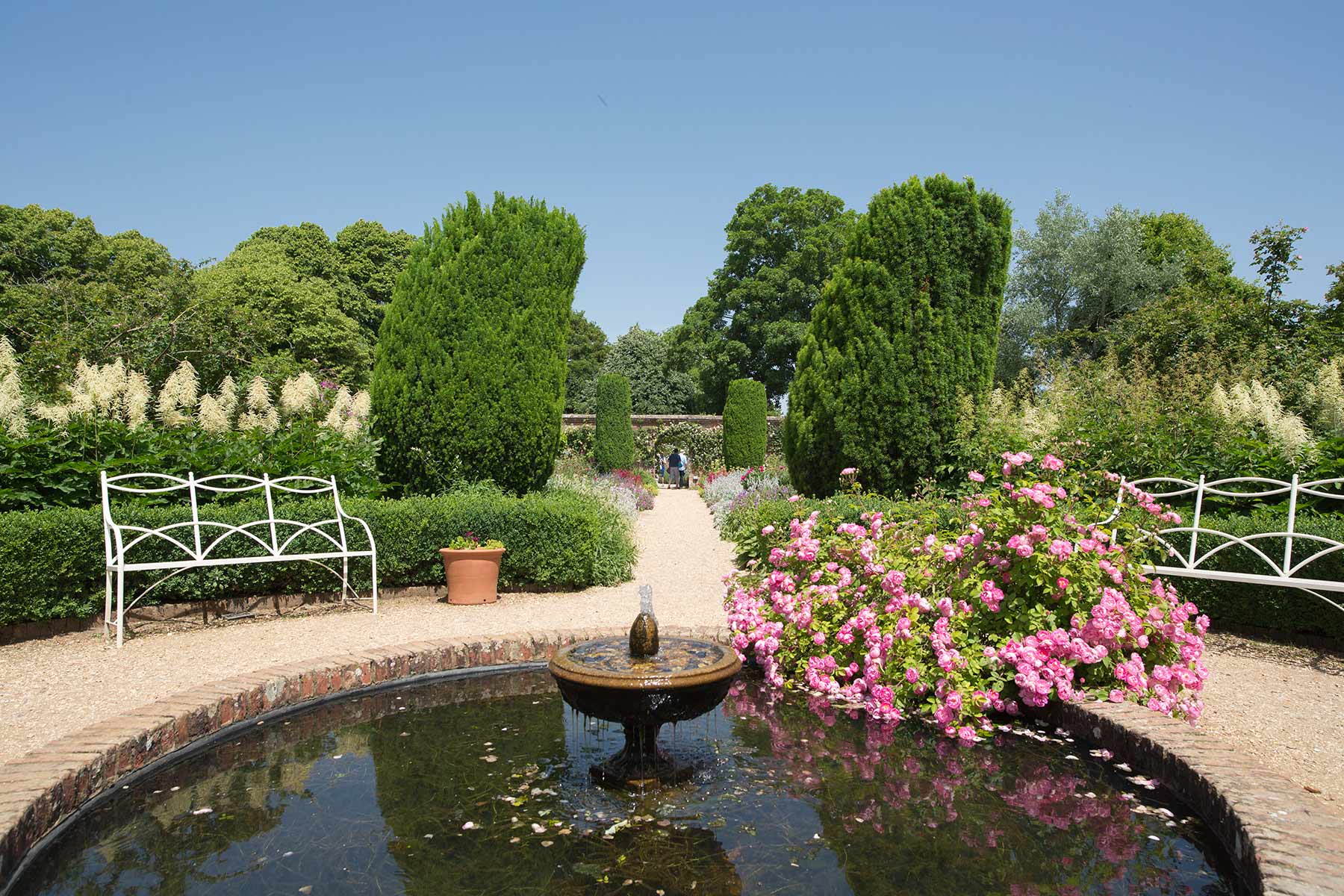
Mottisfont has one of the finest rose gardens in England. The garden has over 500 different roses that bloom beautifully in late May and the first half of June. The collection was created by Graham Stuart Thomas, who designed the rose garden in the 1970s.
The gardens also have a large collection of trees, including chestnuts, oaks, limes and beech trees.
Mottisfont Abbey was founded in 1201 by William Briwere, who had made a large fortune working for four English kings. In 1536, all the monasteries in England were seized by the English king, Henry VIII, and Mottisfont was given to the king's friend Sir William Sandy. Many pilgrims visited the abbey on their way to Winchester to see the abbey's relic: what was said to be the remains of one of John the Baptist's fingers.
West Dean is the name of a village in Chichester, West Sussex, southwest of London. West Dean Manor house was designed by James Wyatt and built in 1804, but was later renovated by Ernest George and Harold Peto. The architect, landscape architect and garden designer Harold Peto designed the gardens around the house. Today the buildings house the West Dean College of Arts & Conservation.
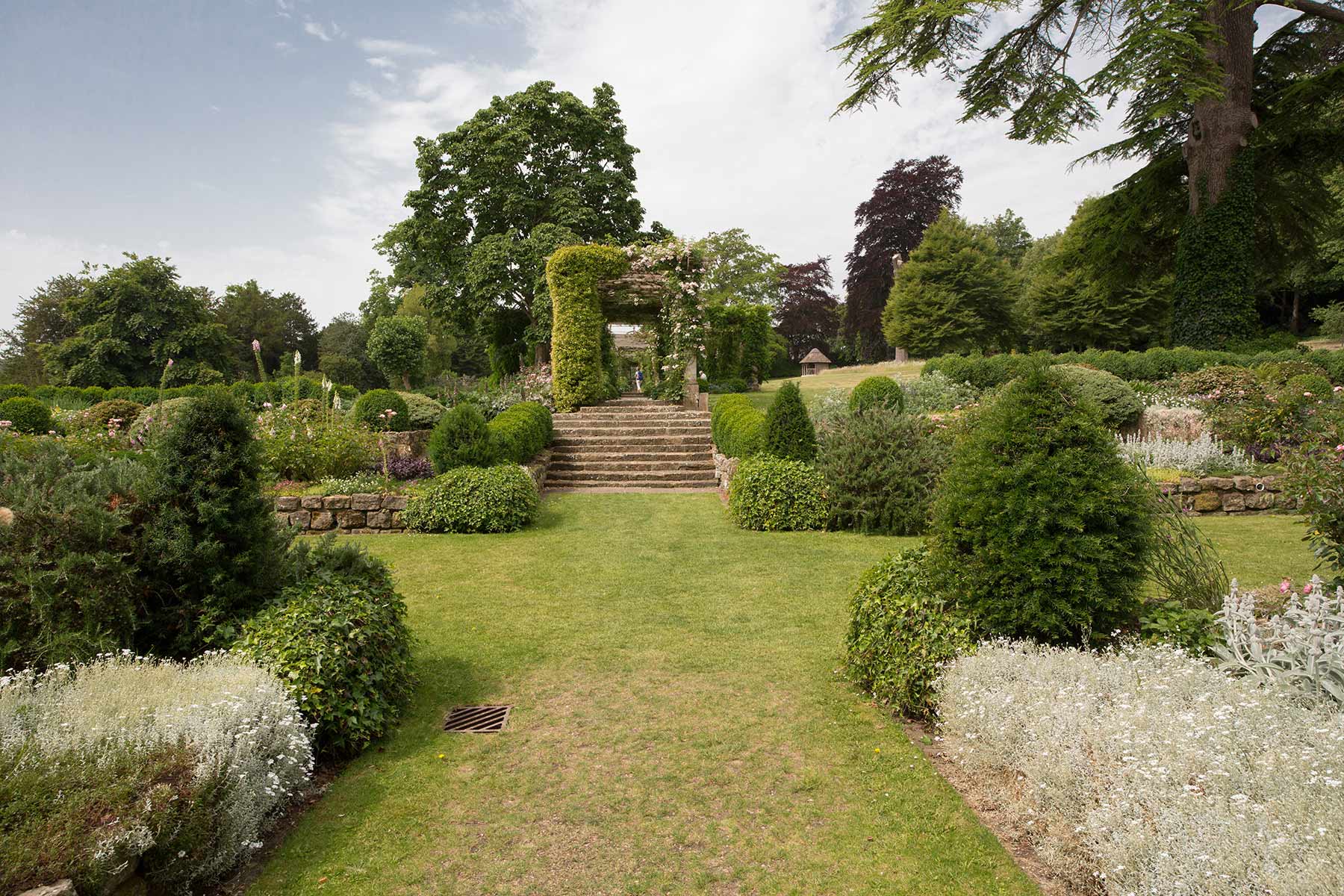
One of the central features of the garden is Harold Peto's 100-metre-long pergola, the longest in England. The pergola is dominated by clematis, roses, wisteria, lilies, ferns and geraniums.
Other interesting features of the garden are the Victorian greenhouses, a large kitchen garden, a 'sunken garden' restored in 2014, a large woodland area and an orchard.
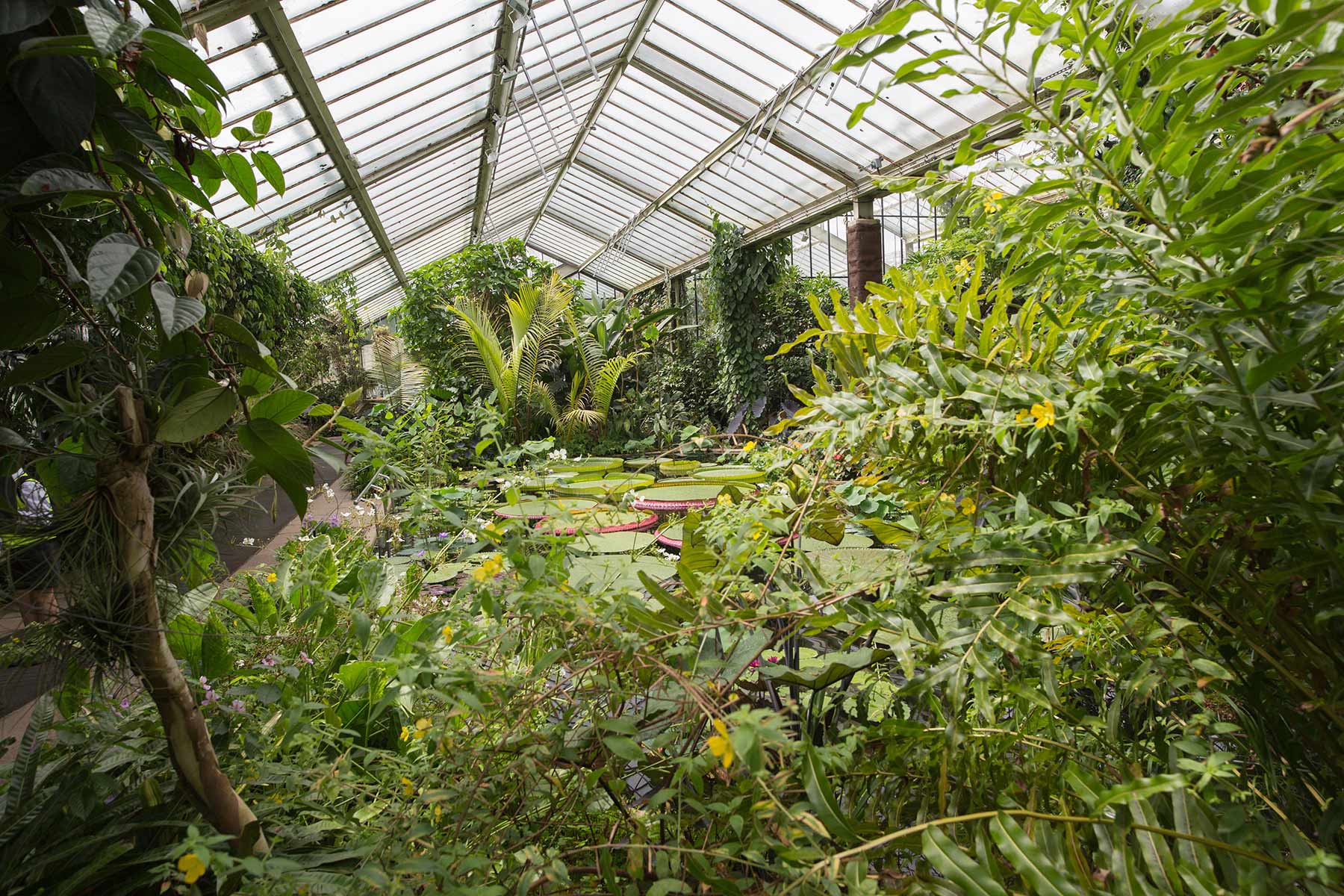
If you come to London on your way to the South of England, it is a good idea to stop at the historic Kew Gardens. The enormous garden complex houses the largest and most diverse botanical collection in the world. The herbarium of the garden has over 8 million plants and the library over 750,000 books.