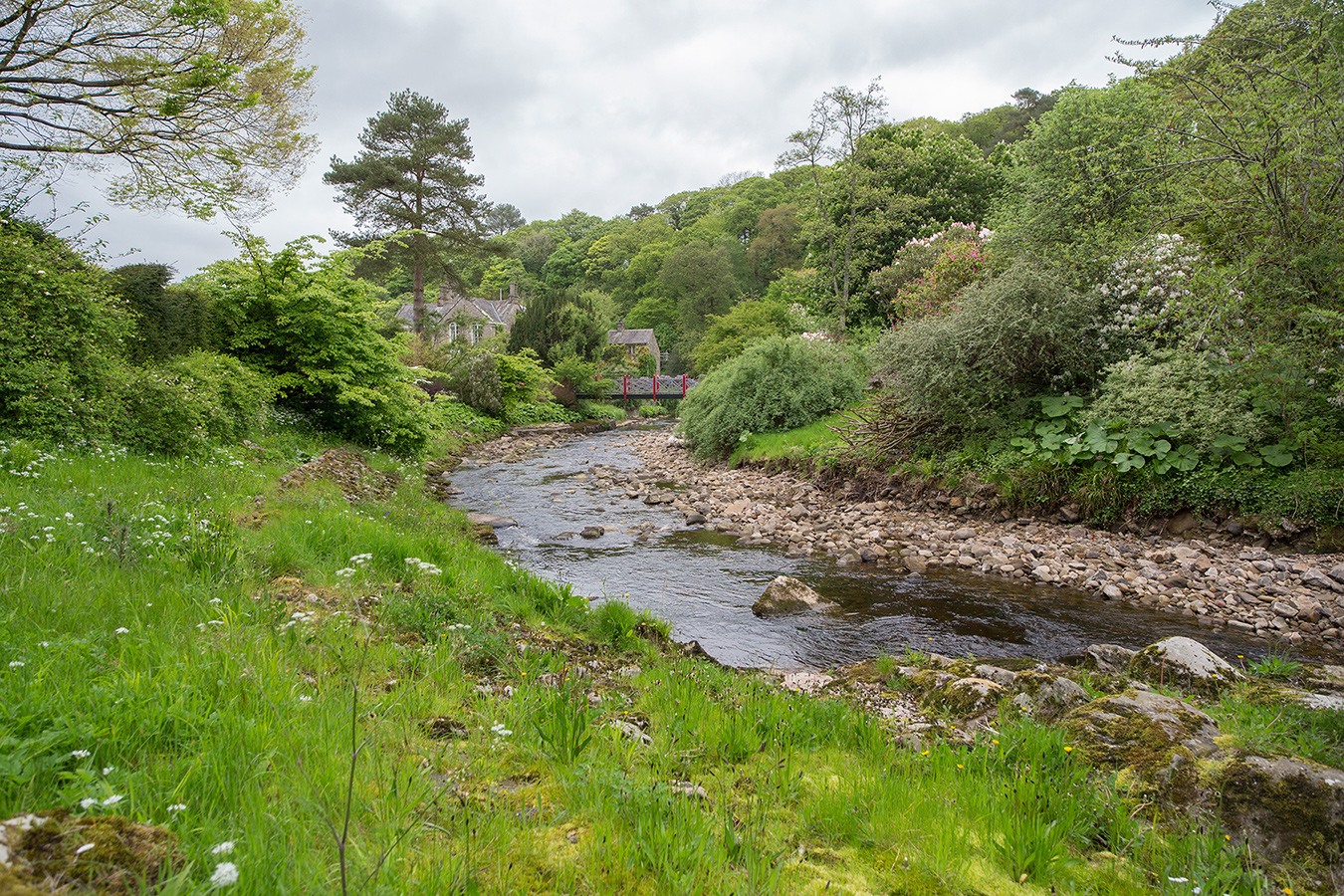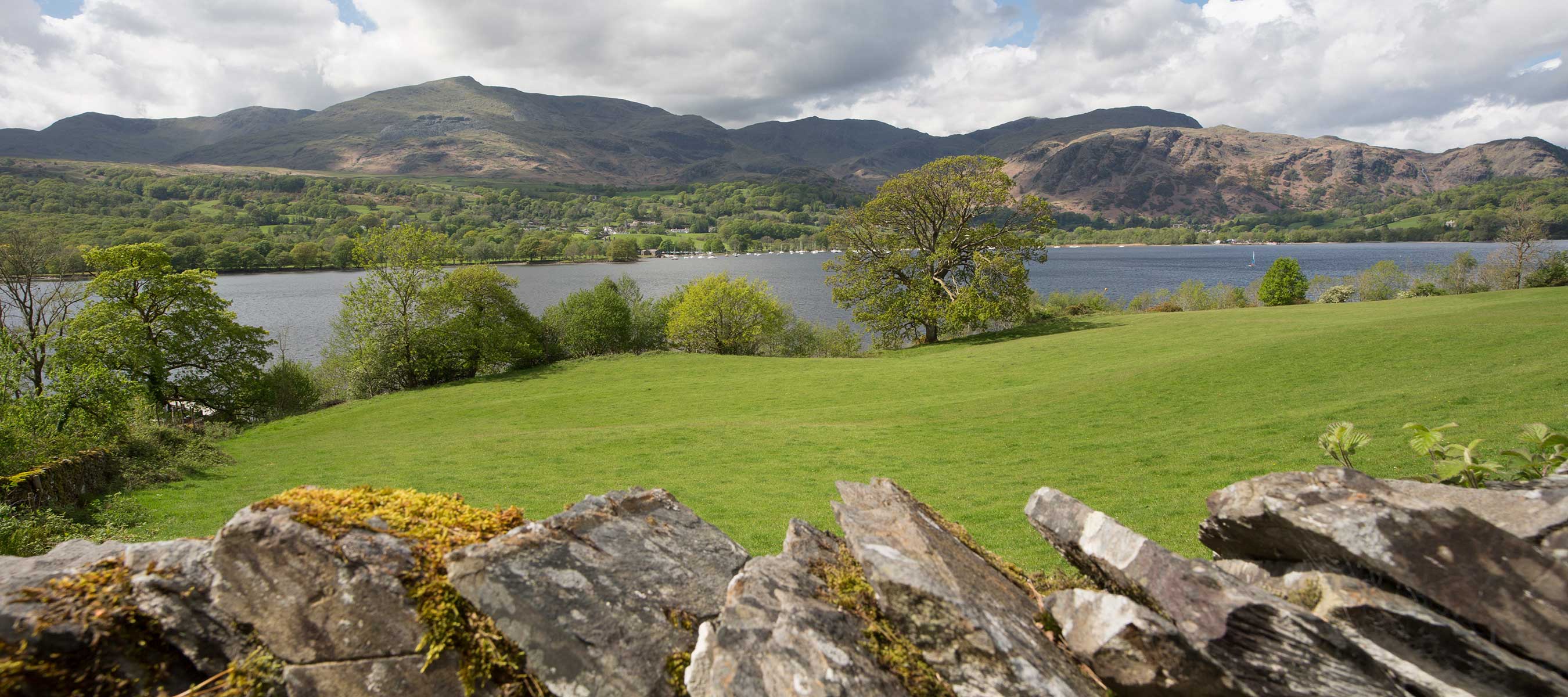
The Lake District is one of the most beautiful areas in Great Britain and is also England's largest national park. The national park was founded in 1951 and consists of more than 2200 km2 and contains 16 lakes. Tourism is the area's largest source of income and the area is visited by almost 15 million people per year.
Within the Lake District area you will find a wide range of exciting gardens, from small private gardens, to historic gardens, landscape gardens and designer gardens. Below you will find a collection of some of the Lake District's best gardens.
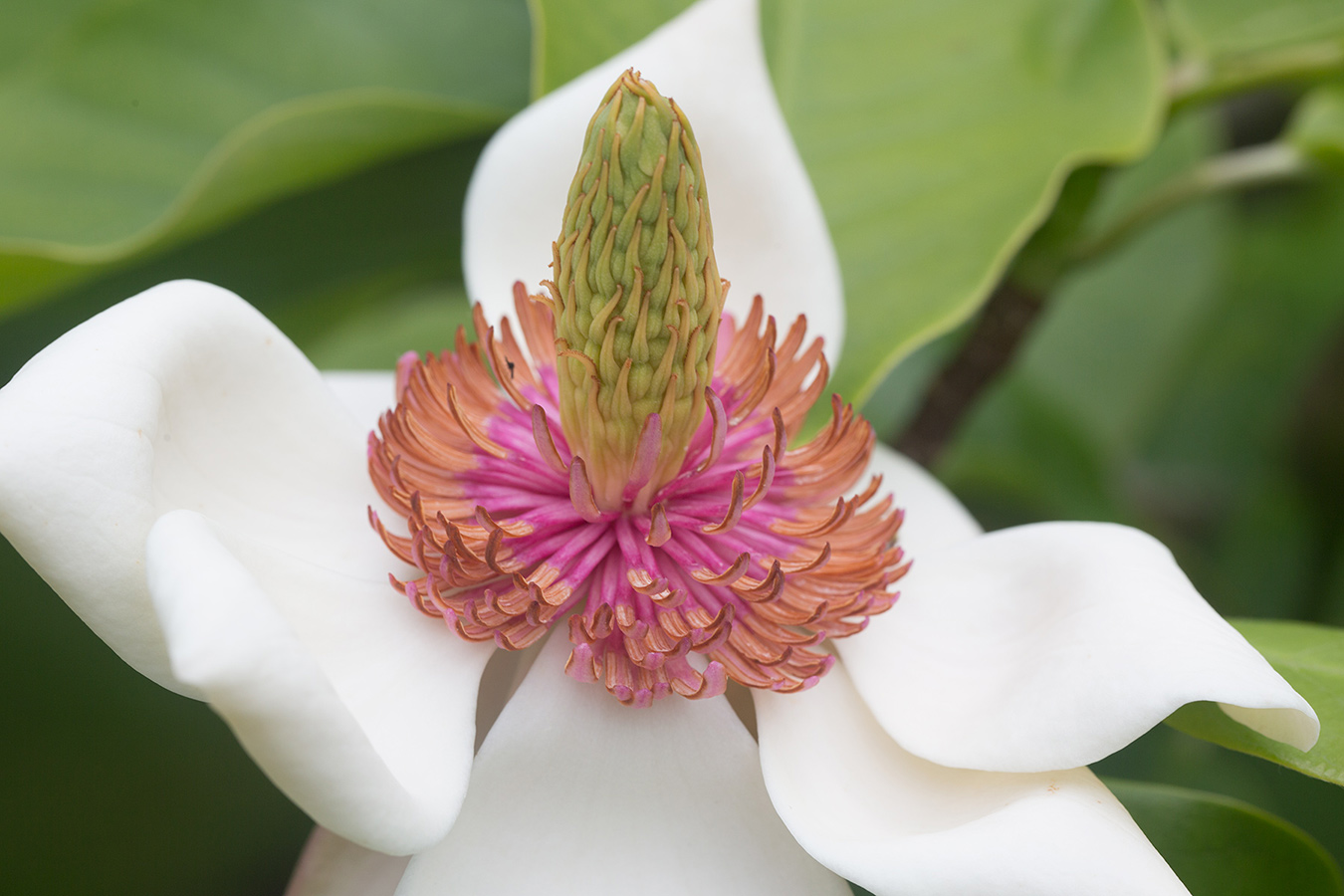
Levens Hall is a manor house near the village of Levens, south of Kendal.
The garden is particularly famous for its trimmed yews and boxwoods, which come in a variety of shapes, with a total of 140 figs. The many yews and boxwoods are trimmed every year for a two-month period between October and Christmas.
James Graham bought the house in 1689 and hired the famous landscape architect Guillaume Beaumont, who had worked as a gardener to James II, who was king of England, Scotland and Ireland.
Beaumont was French and had worked under André Le Nôtre, the famous garden architect who designed the gardens at Versailles and was one of the main figures in the development of the formal French garden, jardin à la française. Beaumont brought the fashion phenomenon of topiary (trimmed yews) with him from his homeland.
The garden has a number of interesting garden sections: close to the house you will find the majority of the many trimmed yews, as well as a number of impressive wisteria. The large oak trees on the grounds were planted under Beaumont in the late 17th century, while the central garden section with lime trees and a fountain was laid out about 20 years ago. The beds include euphorbia palustris, violets and dogwoods (including cornus sericea). Outside the house you are greeted by a large tulip tree.
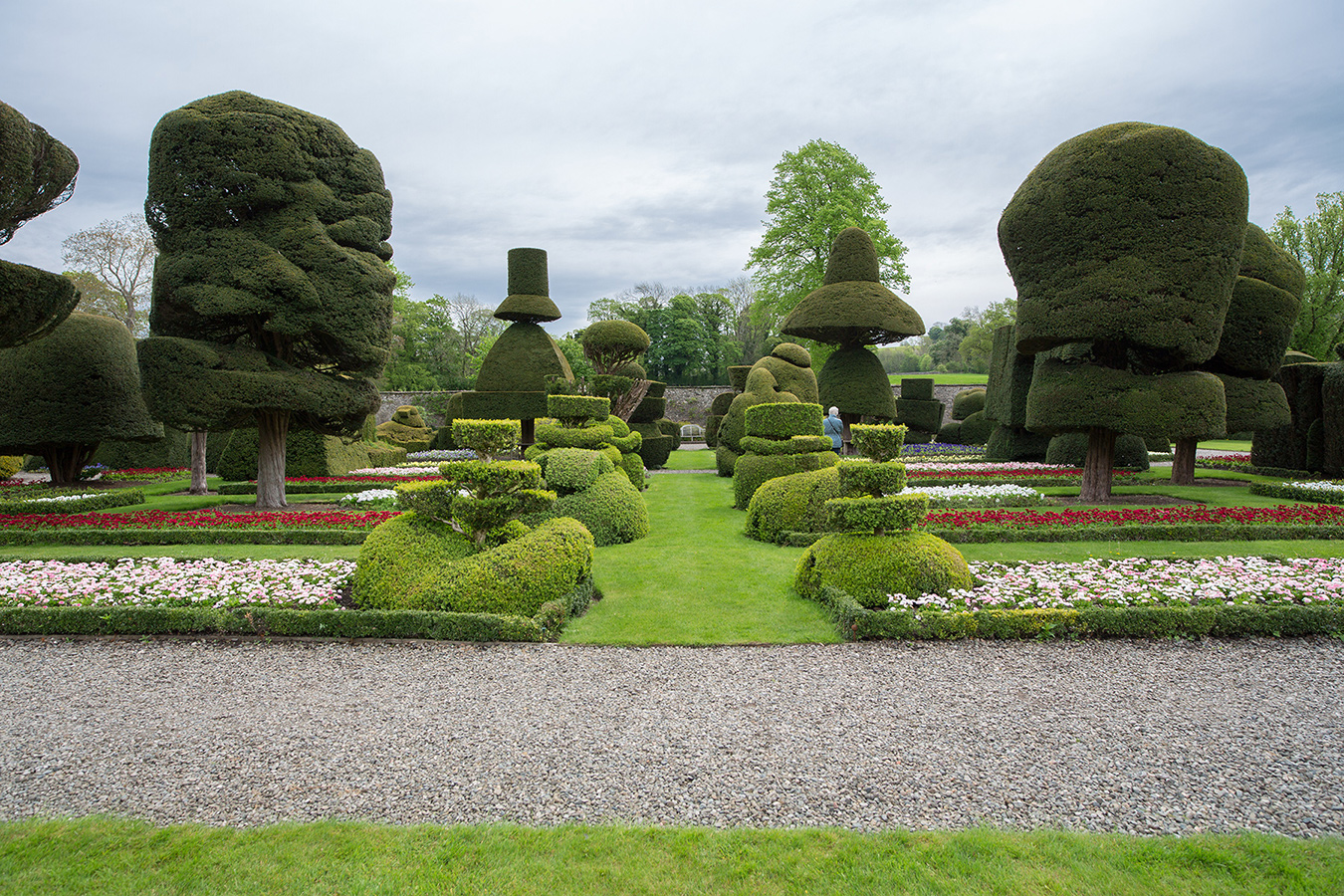
Rydal Mount er en landskabelig have mellem Ambleside og Grasmere på godt 2 hektarer, der ligger med udsigt til søen Rydal Water. Den engelske digter William Wordsworth flyttede til Rydal Mount i 1813, og boede her til sin død i 1850. Wordsworth er én af Englands mest populære forfattere. Hans værk Prelude, der er selvbiografisk, blev udgivet ved Wordsworth's død i 1850 i en alder af 80 år.
Haven indeholder bl.a. japansk pieris, en lang række rhododendron, euphorbia, bregner, geranium, og en række forskellige typer acer og egetræer.
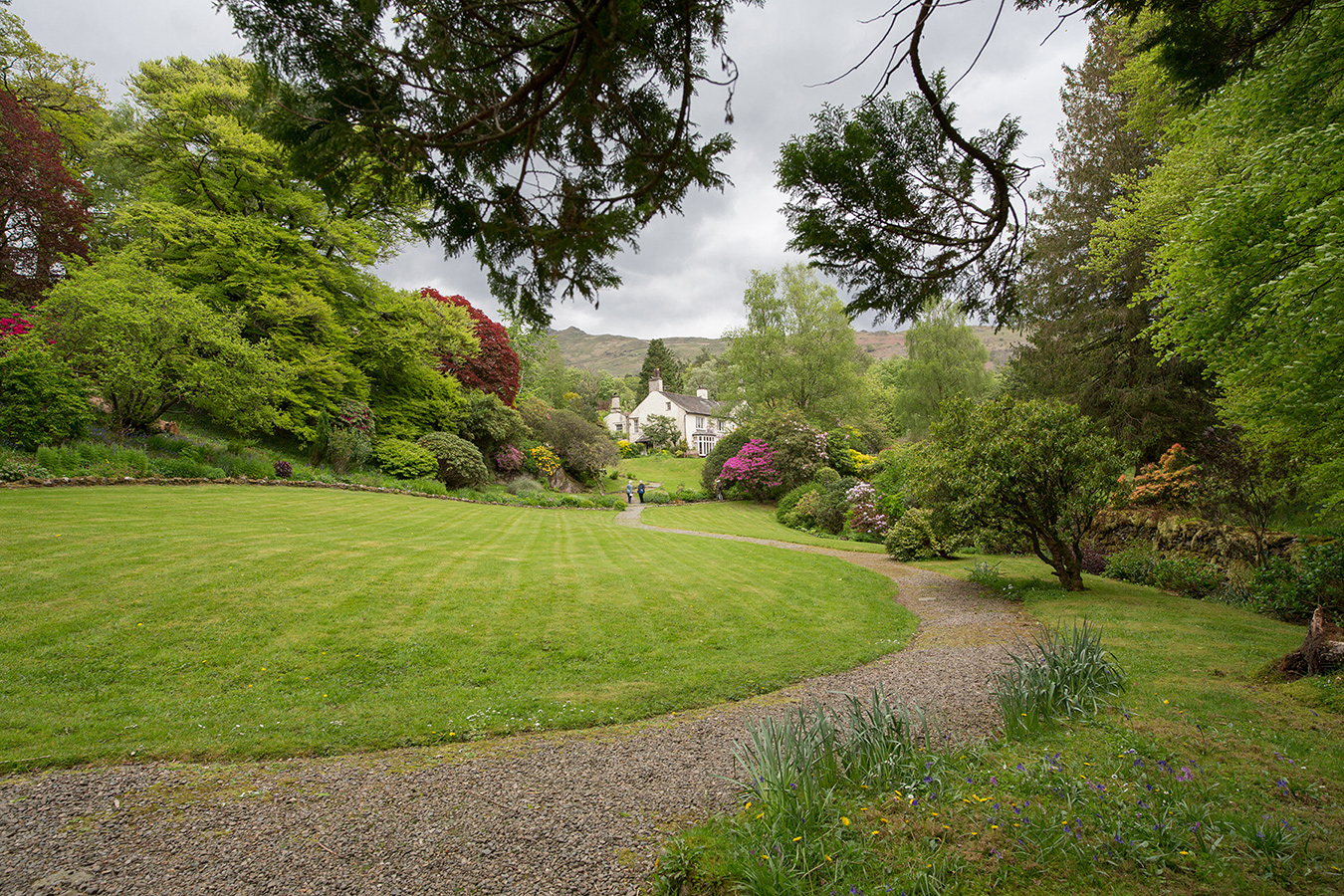
Dove Cottage is also associated with the English poet William Wordsworth and has recently opened to the public. The building, built in the 17th century, has been turned into a museum that tells visitors about Wordsworth’s life and work.
William Wordsworth lived here with his sister, Dorothy Wordsworth, from 1799 to 1808. Here he wrote several of his most famous poems, including Daffodils. The famous poem begins thus:
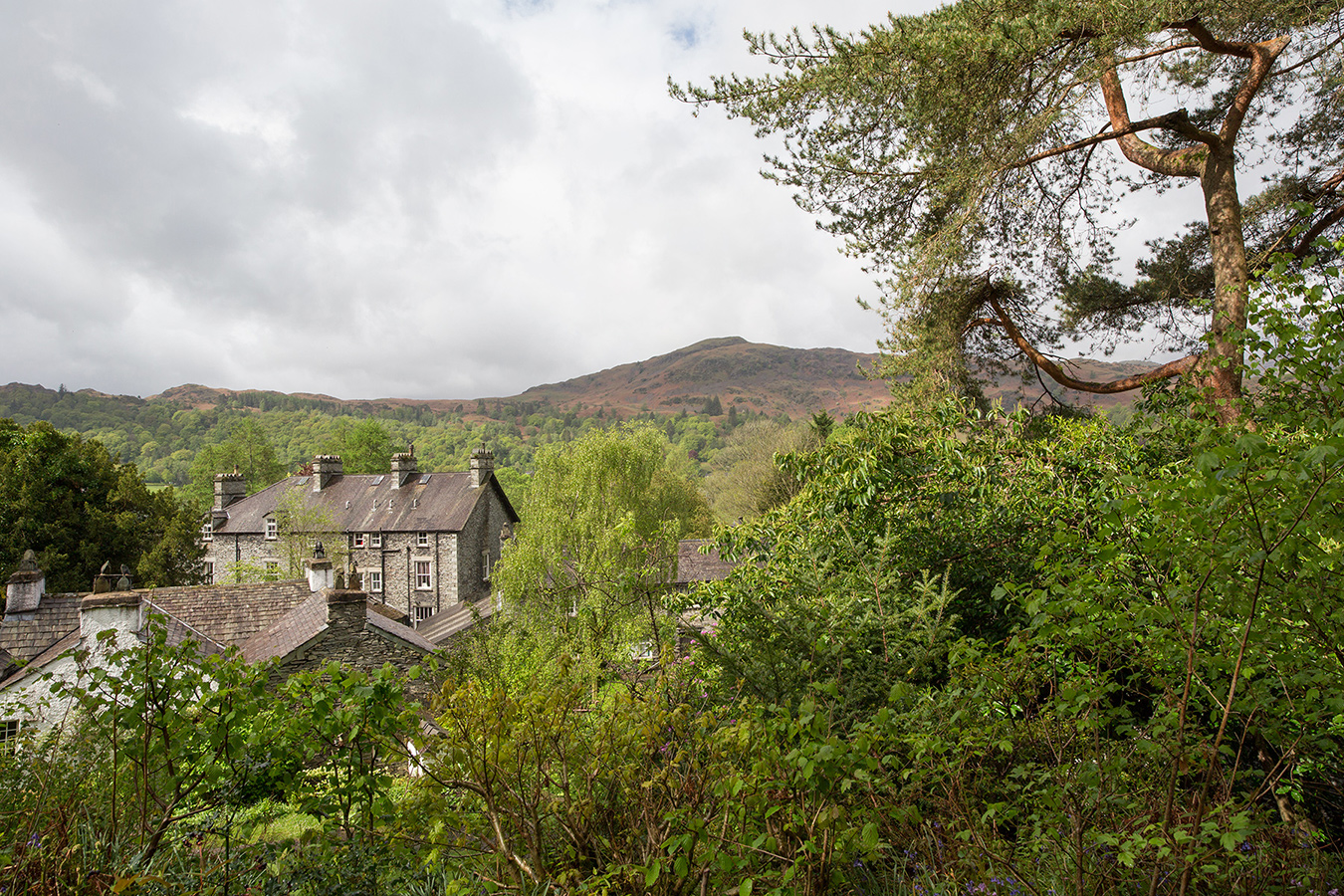
Holker Hall is an impressive country house with gardens. Both the house and the gardens can be visited, and among other things it is possible to see the bedroom where Queen Mary slept in 1937. The buildings date back to the 16th century, but a major fire destroyed part of the original building in 1871 and have been restored.
The area belonging to Holker Hall measures more than 80 hectares, while the sumptuous gardens surrounding the house count almost 10 hectares. The gardens are dominated by historic trees, including lime trees, oaks and beech trees. Close to the house you will find rhododendrons, magnolias, tulips, daffodils (including pincushions) and erysimums.
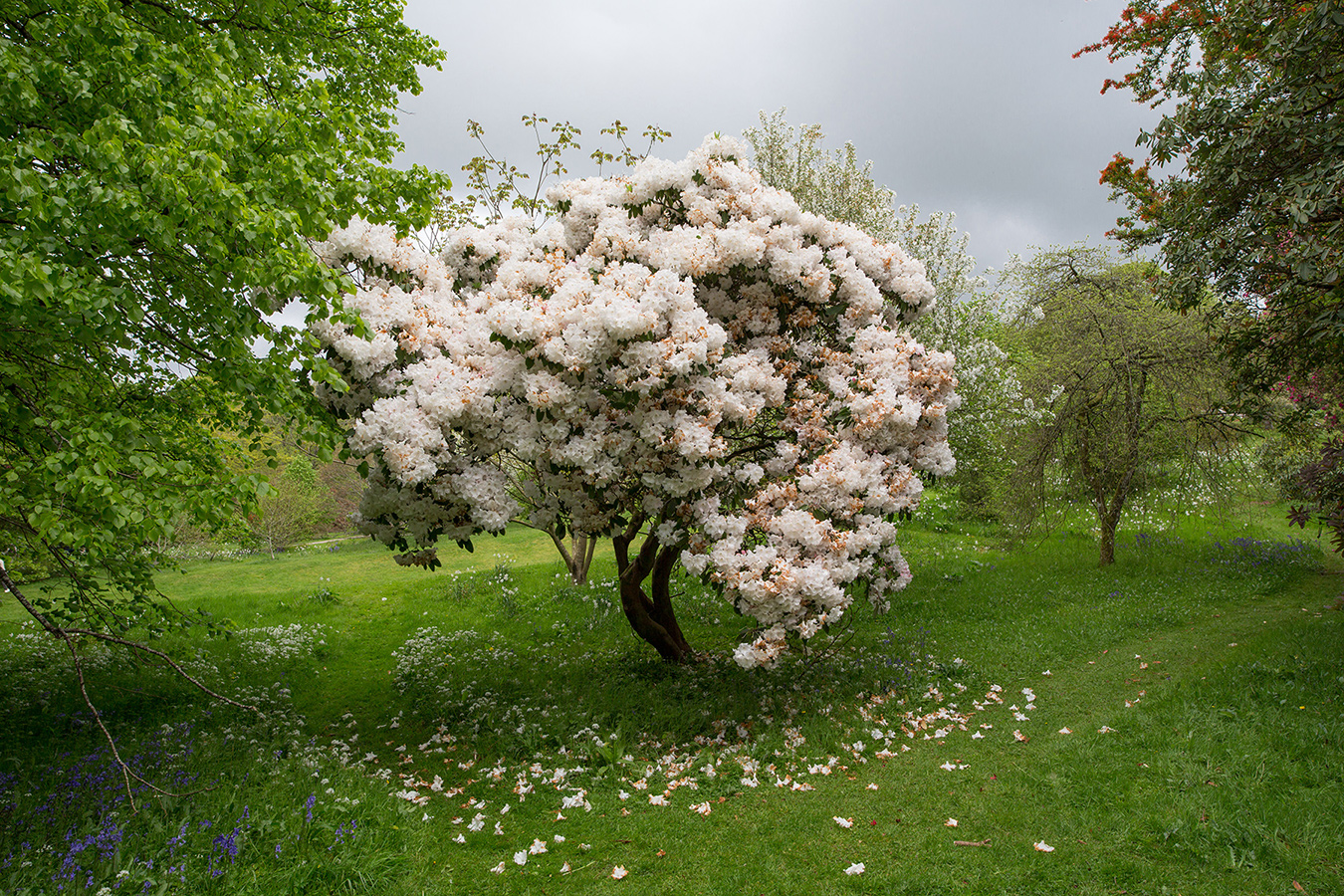
Brantwood is the private garden of the English art historian John Ruskin, and extends over more than 100 hectares. The garden is beautifully located on the shores of Coniston Water.
The garden is divided into a number of sections: a moss garden, a fern garden, and a themed garden based on the idea of the passage from hell to heaven: the Zig-zaggy garden, designed by Ruskin based on the idea of the 7 deadly sins.
This mythological garden is inspired by Dante's Divine Comedy, and describes the soul's journey through purgatory towards paradise. According to Dante, to get to paradise it is necessary to free oneself from the 7 mortal sins: Superbia (pride), Avaritia (greed), Luxuria (fornication), Invidia (envy), Gula (gluttony), Ira (wrath) and Acedia (slaziness).
Ruskin's work had a great influence on European art and architecture. The writing The Nature of Gothic, which is part of volume 2 of The Stones of Venice (1851-53), was particularly influential. Through an analysis of Gothic and Venetian architecture, Ruskin criticized the streamlined art and architecture of the Renaissance and instead advocated the inventiveness and personal nature of Gothic architecture.
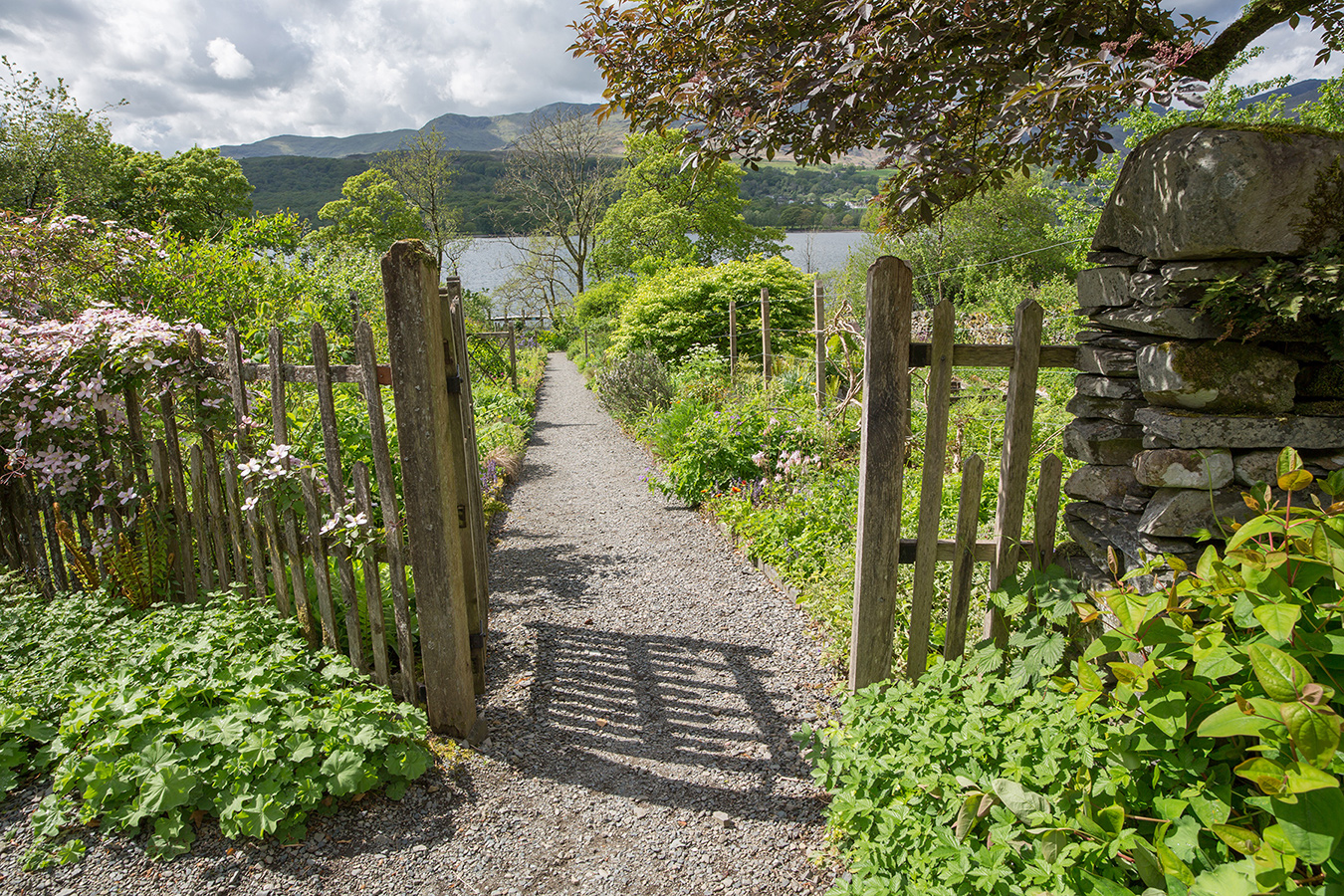
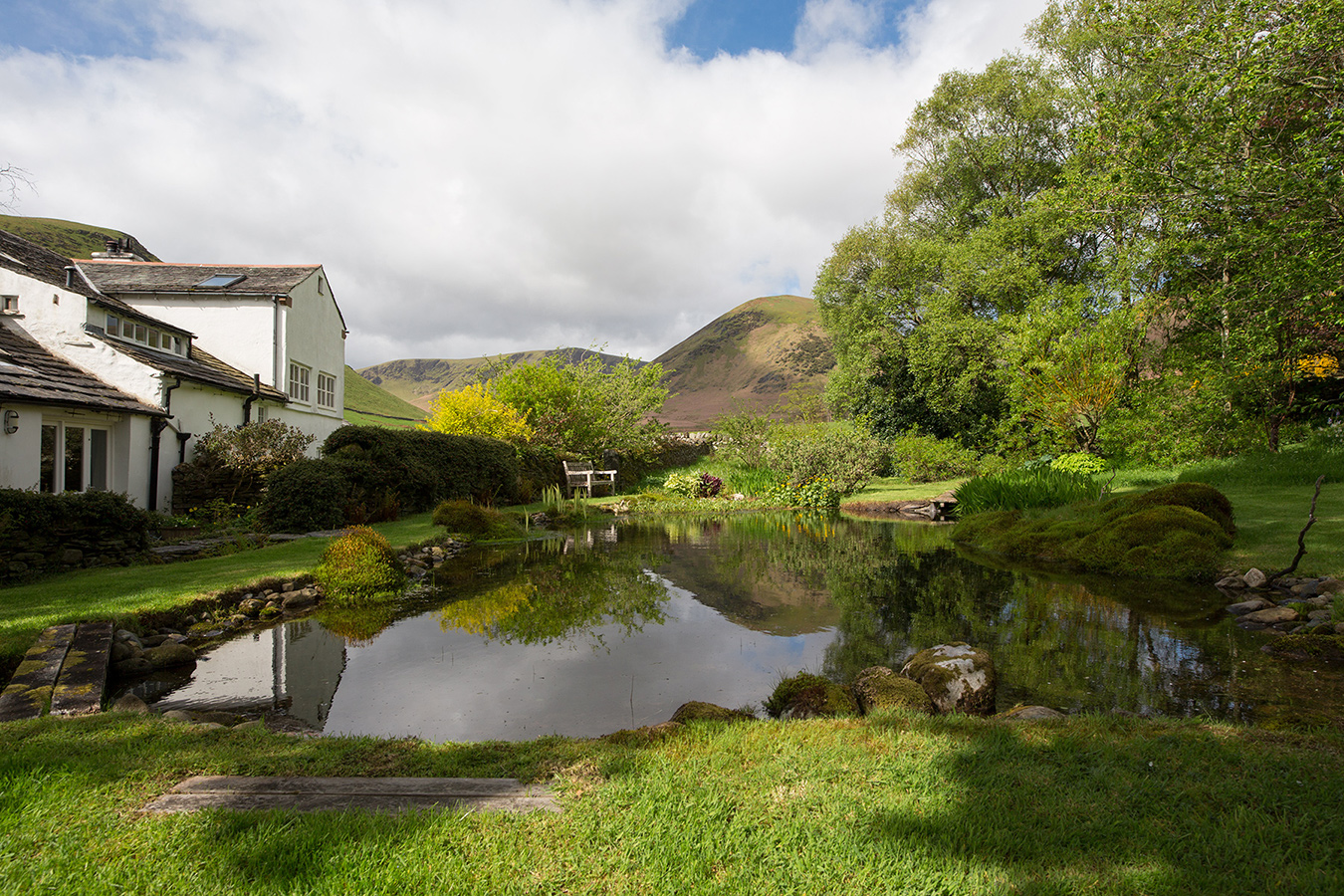
Chapelside is a very fine, private garden in the northern part of the Lake District. The garden was published in the renowned English garden magazine Gardens Illustrated a few years ago with a wonderful article by the garden writer Noel Kingsbury. Kingsbury particularly praises the great variety of plants and the connection between the garden and the surrounding nature.
The garden is unusually rich in plants and flowers: grasses such as camalagrostis x acutiflora 'Karl Foerster' and Miscanthus Sinensus stand together with the juniper plant Juniperus x pfitzeriana, star umbrella (Astrantia), ferns (Dryopteris filix-mas), geranium (Rozanne) and persicaria. At the same time, the garden and art merge, because while Tricia concentrates on the plants, Robin mainly works in stone.
The surrounding landscape outside the garden plays a major role, and the owners Robin and Tricia have not wanted to shield the wind from the mountains with large trees. On the contrary, they let the garden merge with the surroundings, and the small lake in the center of the garden reflects the mountains in the background.
Gresgarth Hall Gardens er en spektakulær have skabt af Arabella Lennox-Boyd i den sydlige del af Lake District. Lennox-Boyd blev født i Rom, men flyttede til London for at studere Landskabs arkitektur.
Arabella Lennox-Boyd har designet en lang række anerkendte haver verden over og hun har vundet goldmedaljer hele seks gange ved Chelsea Flower Show. Hun er ligeledes blevet tildelt RHS Veitch Memorial Medal. Blandt hendes mest kendte projekter er anlæg i Hyde Park,, men hun har også arbejdet i Spanien, Frankrig, Italien, Mexico, Rusland, USA, m.fl.
Lennox-Boyd kom til Gresgarth Hall i 1978. Ved indgangen til haven bliver man mødt af en flot Magnolia 'Yellow Bird' før man kommer til den gotiske hovedbygning hvis historie går helt tilbage til 1300-tallet. Haven indholder en sø, en klokkeskilla (lokalt kaldet bluebell, på latin hyacinthoides non-scripta)-skov, et rhododendron-afsnit, en køkkenhave, og - længere fra huset - et stort skovområde. Området omkring søen domineres af azalier, liljer, magnolier og bregner.